
TSH Levels in Pregnancy holds great significance in the overall journey of pregnancy. Pregnancy is a blessing! It is beautiful and a journey for lifetime, but it will also bring a lot of changes. The body of women can immensely change and undergo a lot more than ever expected. As a result of changing hormone levels, there are many consequences and aspects to take care of.
One of the such hormones to follow during pregnancy and keep continuous monitoring is thyroid-stimulating hormone which is abbreviated as TSH. Your thyroid has a lot of responsibility for the brain development of your baby as well as your energy levels, metabolism and correct mood. Get the best assistance from the IVF experts in Sonipat right now.
Let’s Discuss The Reasons It’s Important To Monitor TSH Levels in Pregnancy And What You Should Keep In Mind
Why Is Thyroid Health Important During Pregnancy?
The thyroid is a tiny, butterfly-shaped gland in your neck that makes hormones to control your metabolism. Your body undergoes numerous hormonal changes during pregnancy, which may have an impact on thyroid function. Because of this, the question “Can TSH Levels in Pregnancy get affected?” is a frequent and significant one. The answer is unquestionably yes.
Your baby’s growth and development, particularly the brain and neurological system, are supported by a healthy thyroid. Problems including preterm birth, low birth weight, and developmental delays in your child might result from a malfunctioning thyroid.
What Are the Normal TSH Levels in Pregnancy?
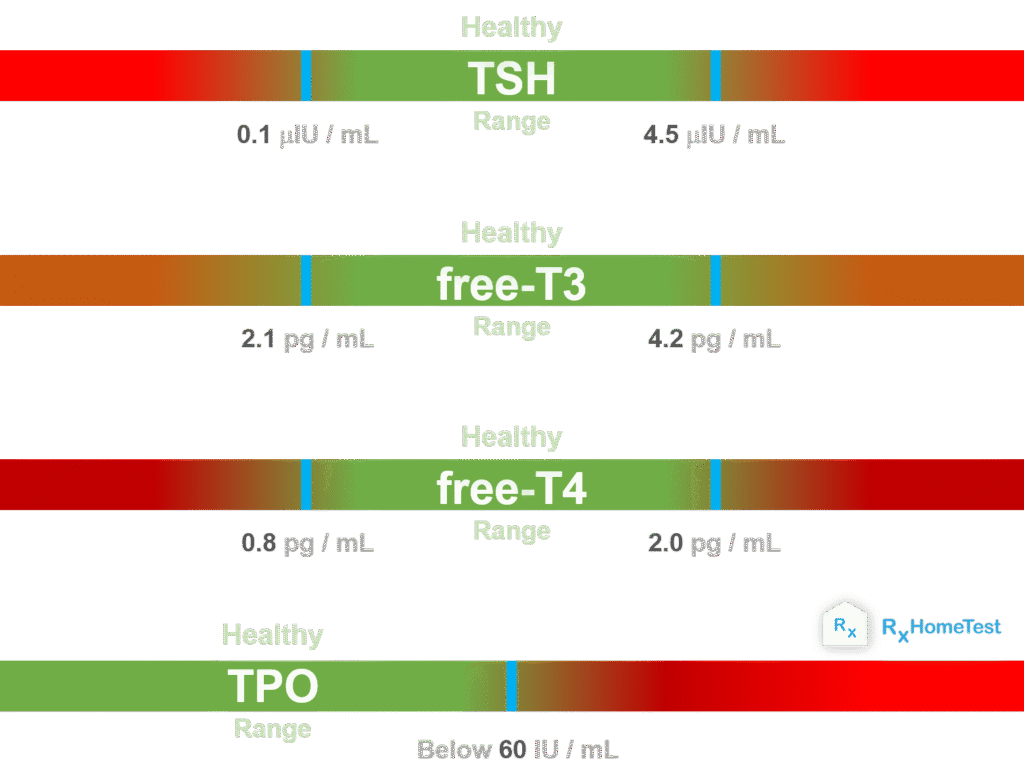
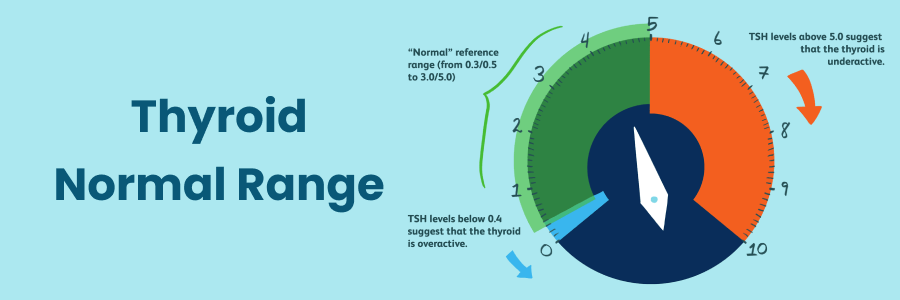
Doctors can determine whether your thyroid is functioning properly by knowing your TSH levels. Your thyroid is instructed to generate more thyroid hormones by TSH or thyroid-stimulating hormone. Your thyroid may be underactive if your TSH is too high. It may be hyperactive if it is too low.
During pregnancy, TSH Levels in Pregnancy change by trimester. Here’s a simple breakdown using bullet points:
- First Trimester: Normal range is 0.1 to 2.5 mIU/L. This is when pregnancy hormones like hCG can lower your TSH naturally.
- Second Trimester: Normal range is 0.2 to 3.0 mIU/L. Your body adjusts and stabilises hormone levels around this time.
- Third Trimester: Normal range is 0.3 to 3.0 mIU/L.
TSH Levels in Pregnancy usually remain steady but still require continuous monitoring if there is a history of thyroid issues.
It might be possible that these numbers can be different in case the testing is done at different labs. But they are very useful indicator of what maintains the normal thyroid levels throughout pregnancy. Because every person has unique demands and they are different, you should always discuss your results with your doctor and get medications on time.
What Happens If TSH Levels Are Too High or Too Low?
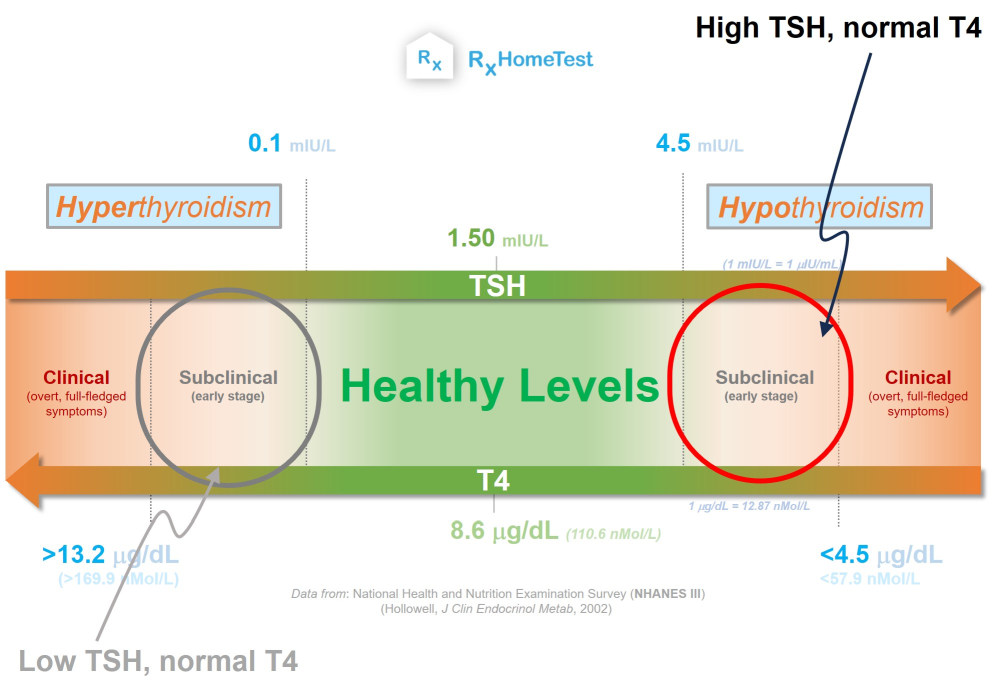
- High TSH Levels: High TSH Levels in Pregnancy frequently indicate hypothyroidism or an underactive thyroid. The symptoms can be extreme fatigue, weight gain, constipation and even coldness that may result from this. More significantly, if the treatment is not taken on time, it might have an impact on the brain development of your baby. For this reason, controlling thyroid levels at an early age is quite crucial.
- Low TSH Levels: Hyperthyroidism or an overactive thyroid is typically indicated by low TSH Levels in Pregnancy. There are some of the weight loss, nervousness, a fast heartbeat and trouble sleeping that can indicate low TSH. Also, uncontrolled hyperthyroidism can raise the risk of low birth weight, early birth or miscarriage.
Medication as well as the routine monitoring can effectively control both disorders. Therefore, don’t panic if you experience any strange symptoms or if your TSH levels are abnormal; simply consult your physician.
How Is Thyroid Dysfunction Managed During Pregnancy?
Your doctor will often recommend medication if your TSH Levels in Pregnancy is either hyperactive or underactive. Levothyroxine is a popular and safe treatment for hypothyroidism that helps replenish the thyroid hormone your body is lacking.
Drugs like methimazole (after the first trimester) or propylthiouracil (during the first trimester) are frequently used to restore normal hormone levels in people with hyperthyroidism.
Regular blood tests are required in both situations to ensure that the medication is effective. Maintaining normal thyroid levels throughout pregnancy is important for the health of both the mother and the unborn child.
Based on the findings of your tests, doctors typically modify dosages every few weeks. Regular follow-ups are crucial because of this.
When Should You Get Your TSH Levels in Pregnancy Checked?

It’s a good idea to check your TSH levels as soon as possible if you intend to become pregnant or have recently discovered that you are pregnant. In fact, at your initial prenatal appointment, a lot of doctors check TSH Levels in Pregnancy.
Additionally, you may require regular monitoring if:
- You have a family history of thyroid disease.
- You have previously experienced thyroid problems.
- You experience symptoms including exhaustion, hair loss, or extreme heat or cold.
- You have Type 1 diabetes or other autoimmune disorders.
Hormones during pregnancy fluctuate quickly, particularly during the first trimester. Therefore, the question, “Can pregnancy affect thyroid levels?” is frequently asked. Yes, and that’s why it’s important to test on time.
Conclusion:
Monitoring the TSH Levels in Pregnancy is very crucial and it is a small but significant step. It is helpful in ensuring both you and your baby’s health. With the right testing and on time treatment, can reduce the side effects of thyroid issues and then that can be managed well. If you ever wonder if pregnancy can affect thyroid levels, remember that your body is working overtime during these months and your thyroid is no exception. So, taking care is really important.Also, contact Bansal IVF in Sonipat right now to have the expert’s guidance throughout pregnancy and the important parameters to take care of. Hurry up and get your TSH Levels in Pregnancy checked!
So, what are you waiting for? Contact the best centre in Sonipat today.