The endometrium is crucial to the success of an IVF cycle. For a pregnancy to be successful, the endometrium must be open. For IVF to be successful, doctors recommend a number of strategies to increase endometrial thickness. Endometrial Thickness For IVF can be efficiently increased by a combination of nutrition, exercise, lifestyle modifications, and medical procedures. The causes of thin endometrial lining, natural remedies, and therapeutic treatments to thicken the endometrium will all be covered in this blog.
What is Endometrial Thickness?
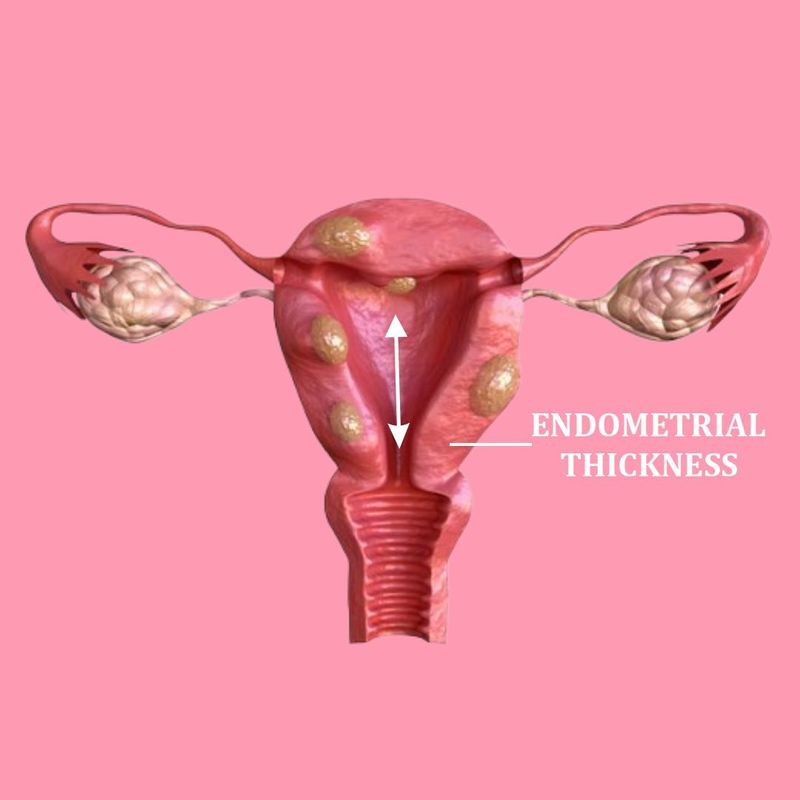
Endometrial thickness is the measurement of the lining of the uterus, usually done by ultrasound. For embryo implantation to be effective, the endometrial lining must be thick and healthy.
The inner membrane lining the uterus is called the endometrium. This lining’s main purpose is to thicken during each menstrual cycle in order to get ready for pregnancy. The embryo implants in this layer to obtain oxygen and nutrients for continued growth if fertilization takes place. The Endometrial Thickness For IVF loses during periods if there is no pregnancy.
Importance of Thick Endometrium:
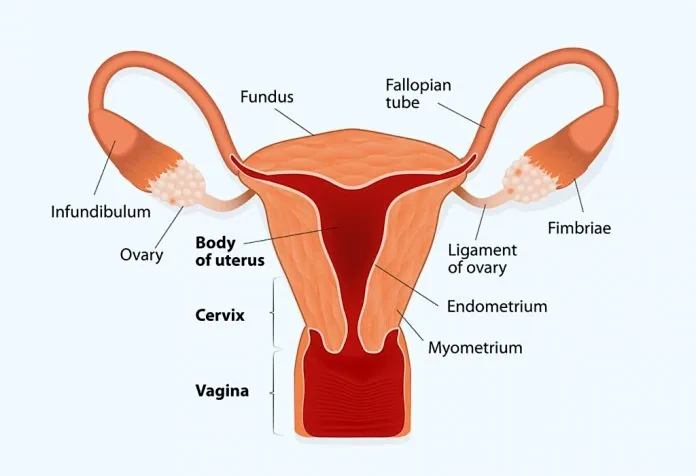
Because it offers an ideal environment for embryo implantation and subsequent growth, a thick endometrium is necessary for IVF. In addition to supporting implantation, a healthy endometrium gives the embryo nourishment for continued development. Fertility outcomes in both natural and assisted reproductive procedures like IVF are directly impacted by the thickness of the endometrial lining.
Endometrial thickness typically ranges from 8 to 12 millimeters, which is thought to be appropriate for embryo implantation. The development of a thick, blood-rich endometrial lining is mostly dependent on estrogen. A thin Endometrial Thickness For IVF brought on by an estrogen or hormone imbalance can prevent effective implantation.
What Are the Causes of Thin Endometrium?
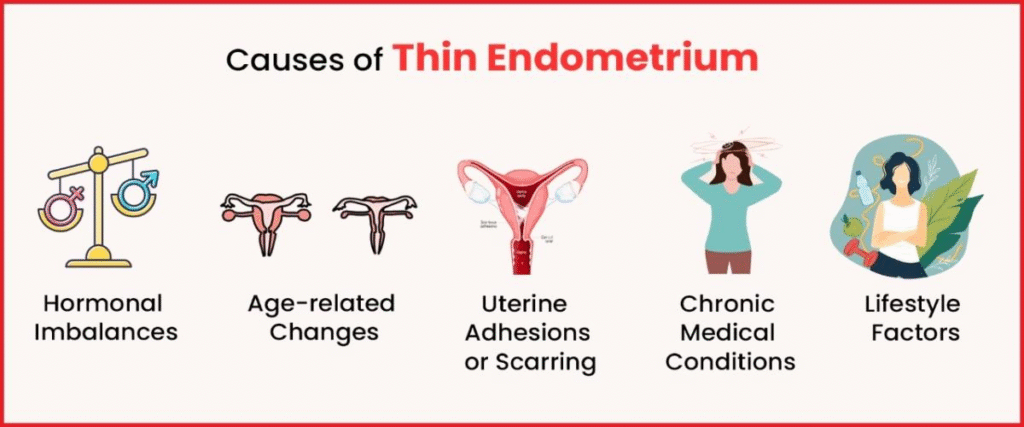
A thin endometrium is considered if it is less than 7mm during the mid-luteal phase of the menstrual cycle. The leading causes of thin endometrium include:
- Low estrogen levels are the primary cause of a thin endometrium. Building a soft and responsive lining requires estrogen. Long-term usage of ovulation-inducing medications or birth control pills can result in low estrogen levels.
- Increasing age-related hormone imbalances and improper lining development are two further factors that lead to a thin endometrial lining.
- Fibroids, polyps, uterine adhesions, and endometriosis are examples of structural abnormalities that can change the uterus’s structure and affect the blood supply to the Endometrial Thickness For IVF, interfering with the lining’s normal regeneration. Scarring from prior surgeries or infections can also lessen the endometrium’s capacity to regenerate during each menstrual cycle.
- Insufficient blood supply to the uterus may result in thin lining. When the uterus receives adequate blood flow, a thick endometrium develops. The endometrial lining becomes less responsive as a result of inadequate blood circulation.
- Because the body releases hormones in response to stress that lower blood flow to the reproductive organs, resulting in a thinner uterine lining, stress may also have an impact on the blood supply to the uterus.
- The formation of the new endometrial lining may be impacted by inadequate intake of vitamins and minerals throughout each menstrual cycle.
What Are The Natural Methods to Increase Endometrial Thickness for IVF?
There are many ways to increase the Endometrial Thickness For IVF of your uterine lining naturally. Natural ways are:
- Increasing blood circulation through exercise enhances your capacity to develop a healthy uterine lining.
- Relaxation is a terrific approach to ease your muscles and uterus. Exercises like stretching, jogging, and walking for 30 minutes a day can boost blood flow to reproductive organs, making them healthier, and produce a thicker uterine lining.
- Deep breathing, yoga, and guided meditation are examples of relaxation therapies that can help achieve this. In order to promote hormonal balance and the development of a receptive endometrium, these treatments also help you relax.
- For better reproductive function, hormone management, and bodily tissue regeneration, get 7 to 8 hours of sleep per day.
- To stay properly hydrated, drink enough water throughout the day because dehydration can lower blood flow. Maintaining hormonal balance requires a balanced schedule, timely meals, and relaxation throughout the day.
- A gentle pelvic massage can also assist increase Endometrial Thickness For IVF by improving blood flow to the uterus. When attempting to conceive, you can also apply castor oil to your abdomen between days 5 and 14.
What Are the Essential Nutrients to Increase Endometrial Thickness?
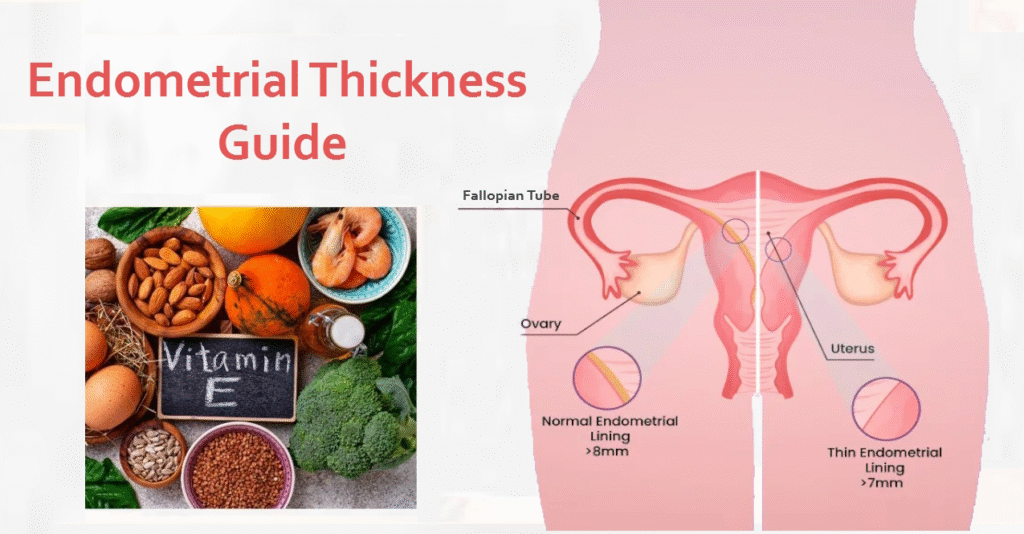
A healthy diet supports the growth of a healthy endometrium. Some nutrients balance hormones, help in cell generation, and improve blood flow.
Iron-rich foods are essential because iron enhances blood flow and keeps the uterine lining from weakening. Iron-rich foods include beetroot, spinach, pumpkin seeds, lentils, and lean red meat.
Whole grains can enhance endometrial thickness and aid in hormone balance. Quinoa, oats, brown rice, and bread can therefore be added to enhance hormone levels and metabolic processes.
Iron absorption requires vitamin C. It aids in tissue repair as well. To acquire adequate vitamin C, you might add tomatoes, citrus fruits, broccoli, and strawberries. L-arginine is crucial to eat since it thickens the endometrium. Whole grains, fish, soy, poultry, and dairy products all contain it.
- Omega-3 fatty acids lessen inflammation and increase blood flow. Additionally, it helps to increase the lining’s receptivity. Walnuts, salmon, flaxseeds, and mackerel contain it.
- Nitric oxide-producing fruits help thicken the endometrium because nitric oxide dilates blood vessels and enhances blood flow to the uterus. Nitric oxide is produced by lemons, limes, and pomegranates.
- Coenzyme Q10 aids in lowering oxidative stress and encourages the development of a healthier uterine lining.
- Vitamin E is a great source of antioxidants, boosts cell growth, and raises estrogen levels.
What Are The Medical Methods to Improve Endometrial Thickness?

If natural approaches are insufficient to improve Endometrial Thickness For IVF, they might be coupled with medicinal methods. Based on the uterine state, past medical history, and hormone levels, the doctor may decide on the best course of action.
- If low estrogen levels prevent the endometrium from growing, a doctor may recommend estrogen therapy. In order to evaluate the reaction and balance progesterone and estrogen, proper monitoring is required.
- To increase the blood flow to the uterus and to lower the risk of clotting, low-dose aspirin may be given to the patient.
- To increase the flow of oxygen and blood that flows to the uterus, then sildenafil citrate may be prescribed.
- Gonadotropin agonists are then recommended to cause a transient exacerbation of hormone release and also, to enhance estrogen production for Endometrial Thickness For IVF growth. It is given vaginally to raise endometrial thickness.
- To promote growth factors and enhance blood circulation, fertility specialists may directly inject human chorionic gonadotropin hormone into the uterus. It is applied when implantation failure occurs repeatedly.
- A cutting-edge procedure which is called as platelet-rich plasma therapy is also involved to draw plasma from the patient’s own blood and then inject it into the uterus to boost endometrial growth, enhance the overall blood flow and to encourage cell regeneration.
Conclusion:
Having an effective implantation that continues the pregnancies conceived by in vitro fertilization (IVF) depending on a healthy Endometrial Thickness For IVF. As it supplies the developing embryo with complete nutrition and proper blood supply. Also, it serves as the foundation for embryo implantation and overall growth.
The low estrogen levels, inadequate blood flow, stress and lifestyle preferences can combinedly contribute to a thin endometrium. Also, with reversing of the illness and achieving success that can be accomplished with prompt medical attention, dietary changes and lifestyle adjustments. In order to facilitate successful embryo implantation, advanced technology is providing a variety of medical therapy that can assist in reestablishing the growth of the uterine lining.
Contact Bansal IVF in Sonipat today!