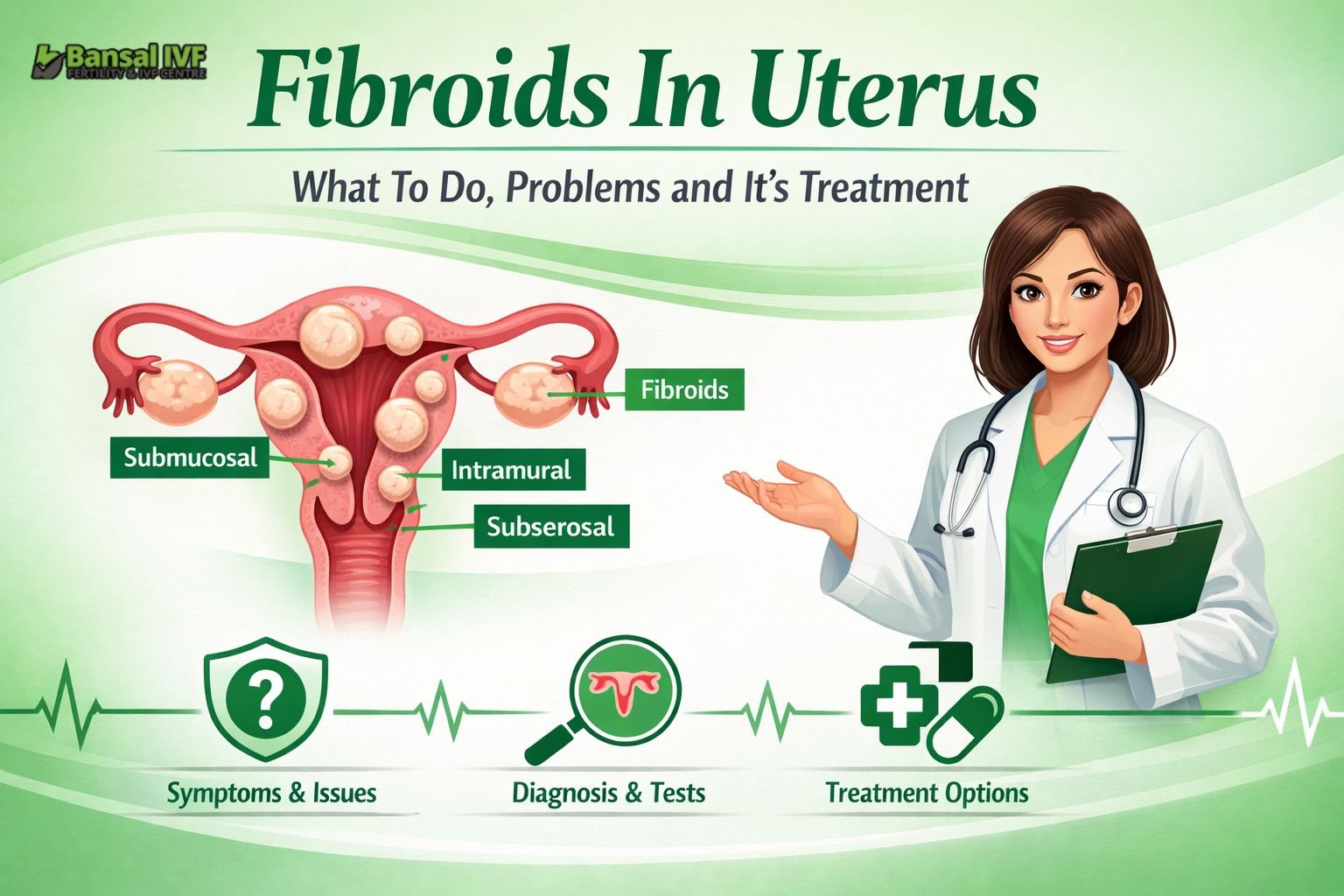
Fibroids In Uterus are usually non-cancerous growths that develop in or around the uterine wall. It is commonly affecting women during their reproductive years. Also, in medical terms it is known as uterine fibroids, these growths can vary and are different in size, number and the location. While some women experience no symptoms, others are experiencing heavy menstrual bleeding, pelvic pain, frequent urination or even there is difficulty in conceiving.
In this blog, understanding fibroids in uterus, symptoms, what to do, the problems they may cause and the treatment options that are available. It becomes essential to take care at the right time for the best suitable treatment. Early diagnosis and proper medical guidance can help manage symptoms effectively and improve overall reproductive health and quality of life.
What Are Uterine Fibroids?
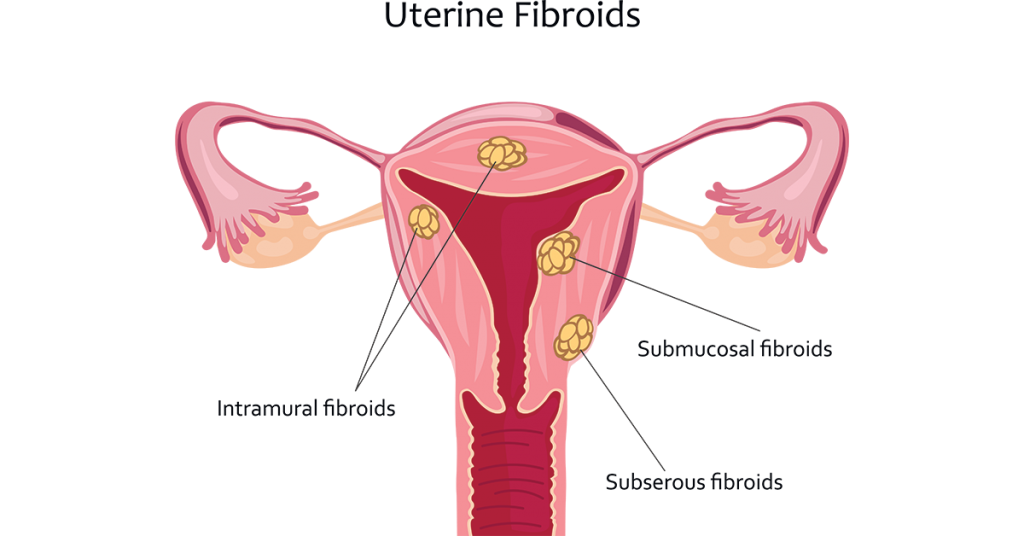
Fibroids In Uterus are abnormal growths that appear in the walls of the uterus. They are also called myomas or leiomyomas. They are made of uterine muscles only which grow abnormally sometimes to form fibroids. They are very common and are seen in about 70-80% of the patients.
Uterine fibroids are non-cancerous growths that are developing in the muscular wall of the uterus. They are quite common among women of reproductive age. Fibroids can be present in varying size right from tiny seed-like nodules to large masses that enlarge the uterus. It may appear as a single growth or multiple clusters.
While the exact cause is not fully understood, hormonal factors like estrogen and progesterone are playing a significant role in their development. Some women are experiencing no symptoms, while others may have heavy periods, pelvic pain, bloating or fertility challenges depending on the size and location of the fibroid.
What Problems Do Patients With Fibroids In Uterus Face?
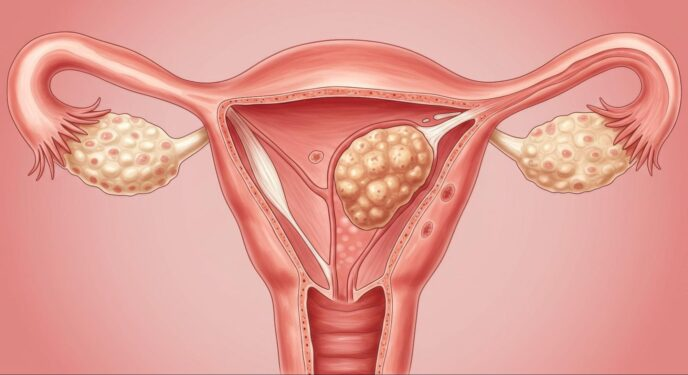
Menorrhagia or excessive bleeding during menstruation time is the most frequent issue that individuals with fibroids deal with. The bleeding is strong, irregular, and prolonged. They might also make it harder to conceive (infertility). Large Fibroids In Uterus can occasionally result in pressure feelings because they compress the colon or bladder, which might cause bowel or urine disturbances. Additionally, patients may exhibit lower abdominal pain and heaviness.
However, fibroids are frequently entirely asymptomatic and unintentionally found on ultrasounds performed for other purposes. Depending on the size, quantity, and location of the growths, patients with uterine fibroids may have a variety of symptoms. Heavy or extended menstrual bleeding is one of the most prevalent issues, and it can occasionally result in anemia and exhaustion.
Additionally, a lot of women describe lower abdominal fullness, pressure, or pelvic pain. Constipation or frequent urination may result from larger fibroids pressing against adjacent organs. Fibroids can occasionally cause back pain, uncomfortable sex, or trouble getting pregnant. On the other hand, some women may have Fibroids In Uterus without any symptoms at all.
What Are The Main Symptoms?
The symptoms are depending on their size and location of the fibroid. The primary symptoms of uterine fibroids can range from minor to severe ones as well. One of the most prevalent symptoms is heavy or extended menstrual bleeding which can occasionally result in anemia or even fatigue. Additionally, pelvic pain, cramps or the persistent sensation of pressure in the lower abdomen might be experienced by some of the women.
Fibroids In Uterus that press on the bladder may cause frequent urination while those that press against the rectum may also cause constipation. Some women can complain of lower back pain or uncomfortable sexual meetings. Fibroids may occasionally also bring in infertility issues or pregnancy concerns.
How Do We Diagnose Fibroids In Uterus?
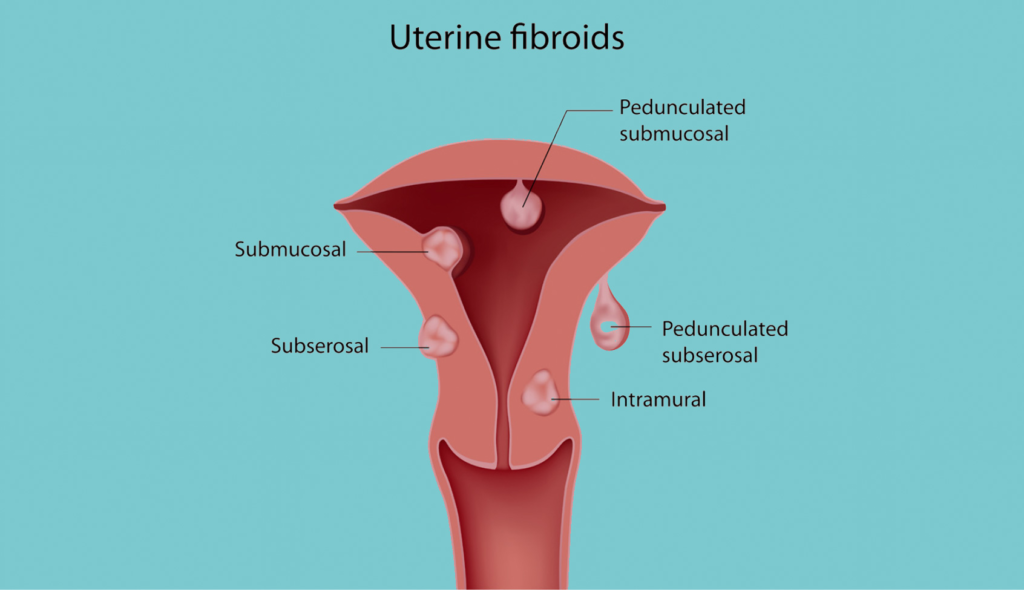
Fibroids can be diagnosed easily with ultrasound. Transvaginal ultrasound is better to give exact location and number of fibroids. MRI is another modality, but generally not required.
The diagnosis of Fibroids In Uterus is often made using a combination of imaging testing, physical examination, and medical history. A doctor may feel an enlarged or malformed uterus during a pelvic exam which can be a sign of fibroids. An ultrasound is most frequently used to confirm the diagnosis because it makes the size, quantity and placement of the fibroids very evident.
For a more thorough assessment, other tests like sonohysterography, MRI or even the hysteroscopy might be suggested in some other circumstances. Early diagnosis avoids complications from severe bleeding or problems with fertility and aids in choosing the best course of therapy.
What Are The Treatment Options Available At Fibroids In Uterus?
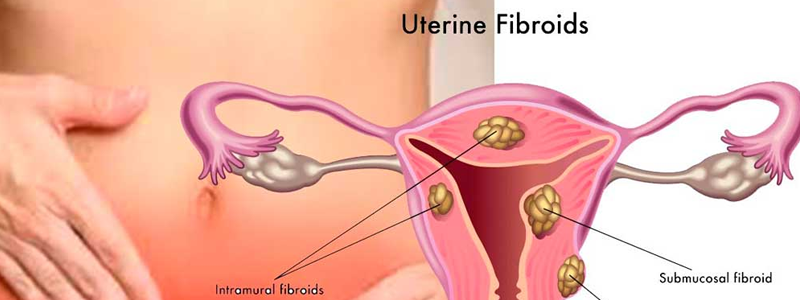
Treatment depends on the symptoms. If asymptomatic, no treatment is required. If patient is desirous of fertility, then fibroids are removed from uterus laparoscopically- this procedure is called myomectomy. If patient does not want child bearing in future, then complete removal of
uterus (Hysterectomy) is preferred.
Medicines are also there to decrease the size of uterus, but there effect is temporary. Other medicines for symptomatic relief are also given, like medicines to control heavy bleeding, pain etc.
What If We Leave The Fibroids In Uterus Inside? Can They Convert Into Cancer Later In Life?
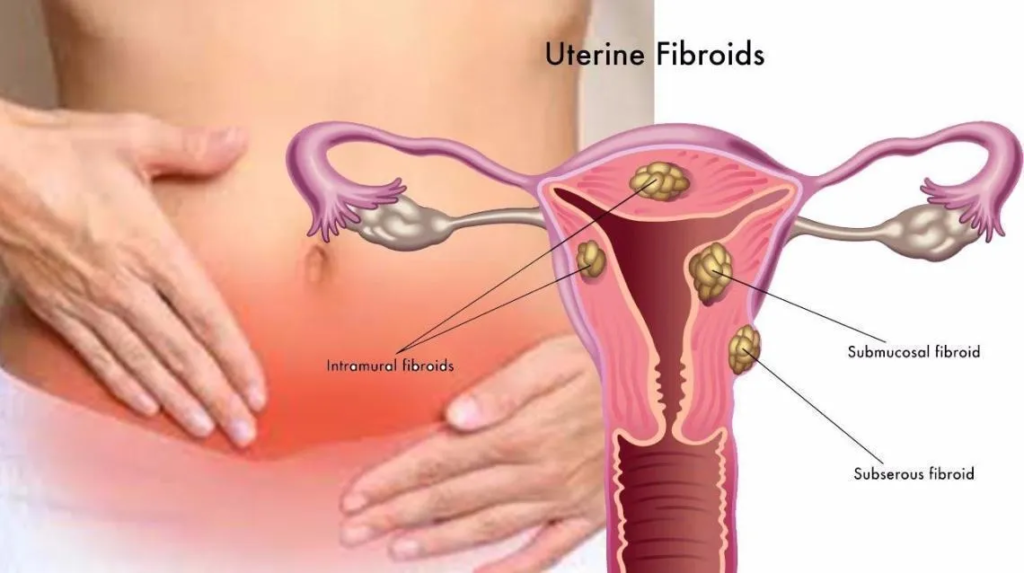
Fibroids In Uterus are gentle tumors. They are very slow growing. They are non-cancerous. They generally do not convert into cancer. But regular follow up in the form of yearly ultrasound to look for increase in size of fibroid if any should be done.
Untreated fibroids have the potential to increase symptoms including pelvic pain, severe bleeding, or strain on surrounding organs. Untreated fibroids can cause anemia, infertility, or problems during pregnancy in certain women. It is a very important to realize, though, that uterine fibroids are nearly always not malignant. There is very little risk that a fibroid would develop into leiomyosarcoma which is a rare form of cancer. If symptoms are very modest, routine medical examinations and monitoring are typically sufficient for diagnosis. When fibroids are substantially impaired of one’s comfort, health or quality of life, the treatment is well-advised.
Conclusion:
Early diagnosis and proper treatment of Fibroids In Uterus can ensure better health, symptom relief, and improved overall quality of life. So, come in contact with Bansal IVF Sonipat right now.