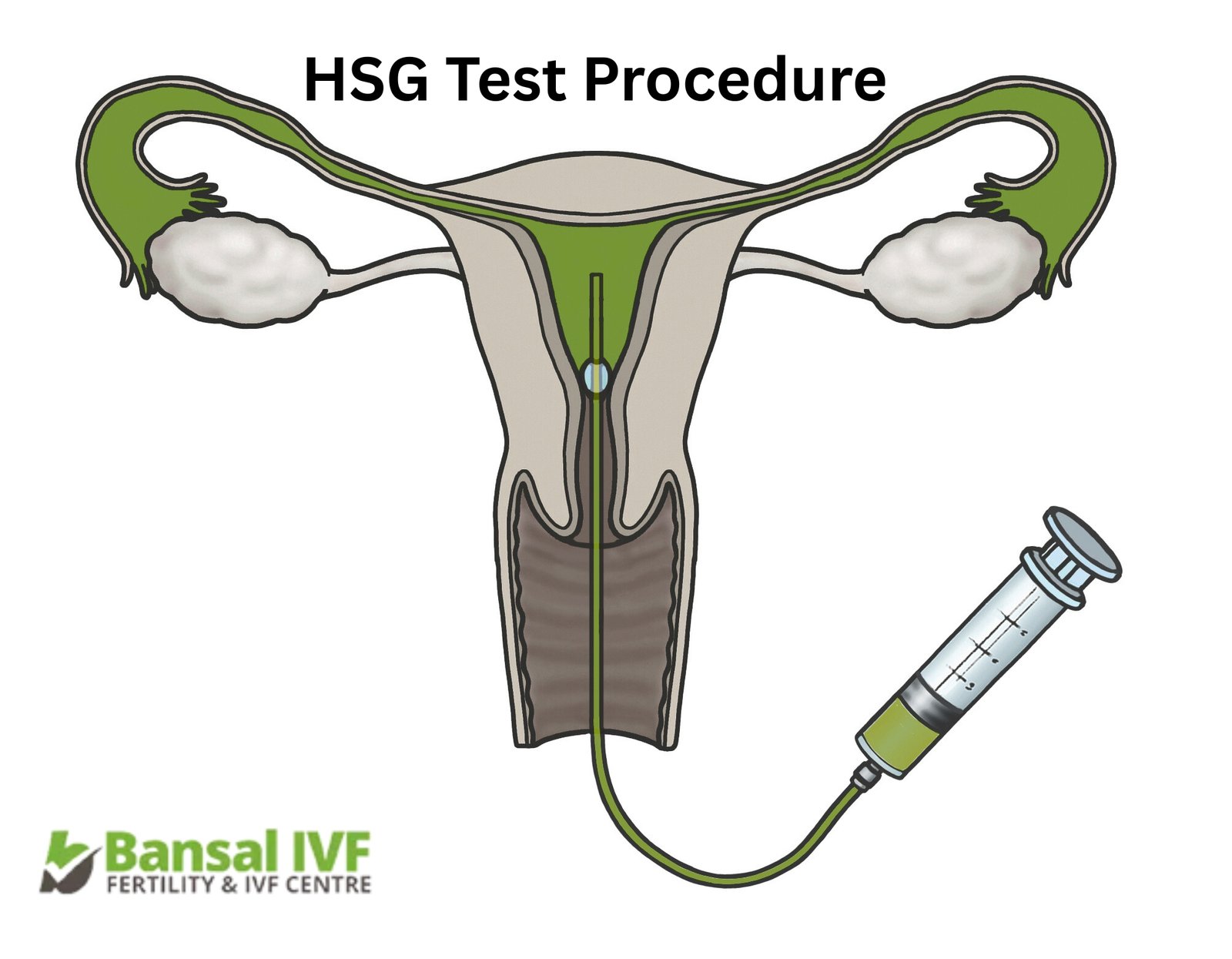
One of the main diagnostic methods for women who have trouble getting pregnant is the HSG Test. Patients are prepapring and if they understand the whole form of the HSG test, its meaning, the rationale behind its suggestion and how it is conducted. This page describes the goal and benefits, the process and hazards of HSG, and advise on when to contact a fertility specialist for a more thorough review.
What is an HSG Test?
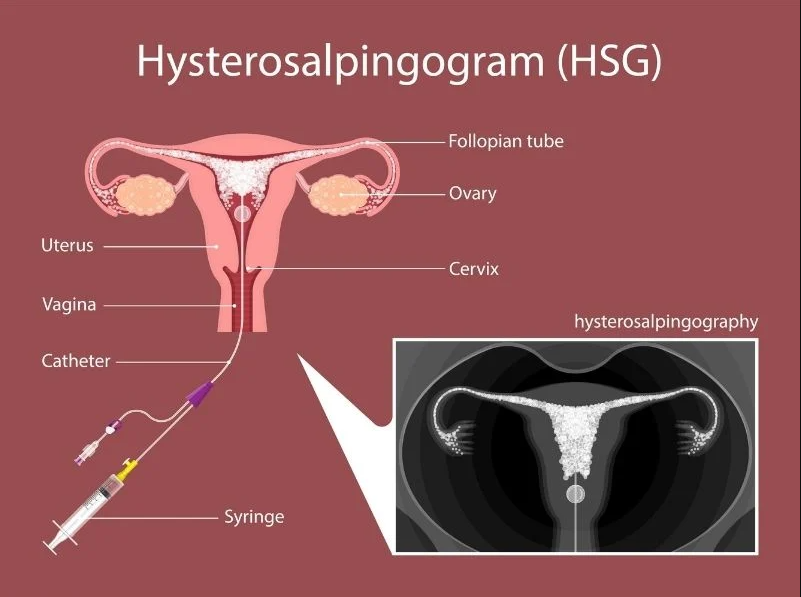
The HSG test, also called Hysterosalpingography, is a wonderful X-ray treatment to analyze the uterus’s morphology and establish whether the fallopian tubes are free. When patients ask, “What does the HSG test mean?”, it refers to a test that evaluates the journey an egg and sperm travel during conception.
This involves filling the uterus with a contrast dye and then using X-ray imaging to see how the dye moves through the reproductive system. It helps to point out the presence of any obstruction, anomaly in the tube or uterine structure, fibroids, polyps, or the shape of the uterus. Since tubal and uterine disorders are commonly the causes of infertility, the HSG Test is among the first examinations indicating the women who are attempting to conceive.
Why is the HSG Test Done?
The HSG is solving the variety of issues that are related to diagnostics, including:
1. To assess infertility causes
The HSG Test assesses the possible effects of any uterine or fallopian tube abnormalities. These factors can prevent pregnancy.
2. Knowing About The blockages in the fallopian tubes
By demonstrating whether the contrast material flows through or whether a blockage is present. The HSG test will offer precise and conclusive results.
3. To detect irregularities in the shape of the uterus
A number of diseases can prevent an embryo from implantation that includes fibroids, septum, adhesions or polyps. The HSG defines the size and form of the uterus to discover such issues.
4. To confirm the success of tubal surgery
In situations of tubal ligation reversal surgery, HSG Test helps confirm that the tubes have been rejoined and are open.
HSG Test Procedure Step by Step:
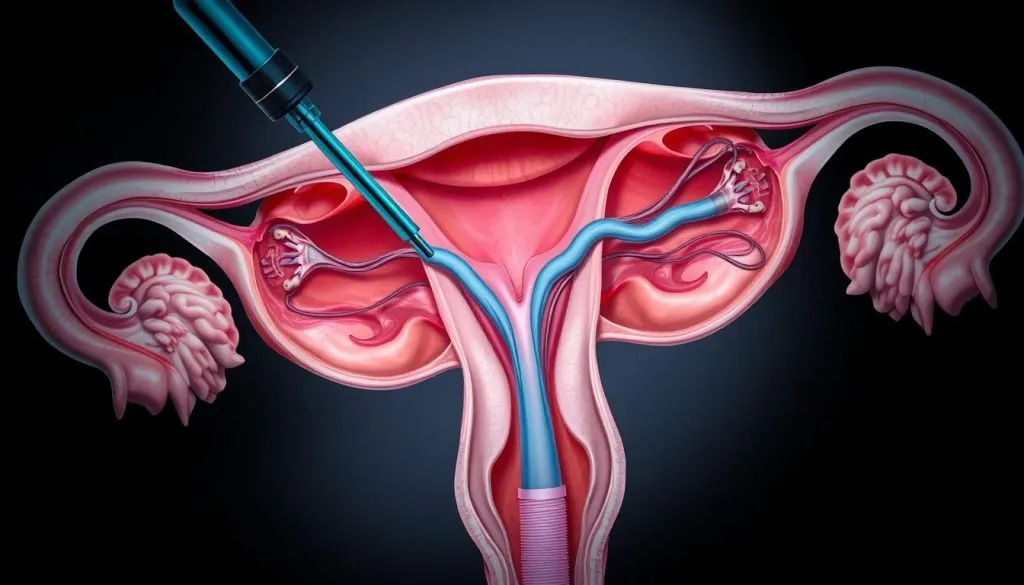
The HSG is a simple procedure and usually takes 15 to 30 minutes. The basic procedure is as follows:
1. Test Timing: The test has a specific timing and needs to be administered at a particular point in the menstrual cycle i.e. Day 7– Day 10 after the menstrual flow has finished and it is before the ovulation.
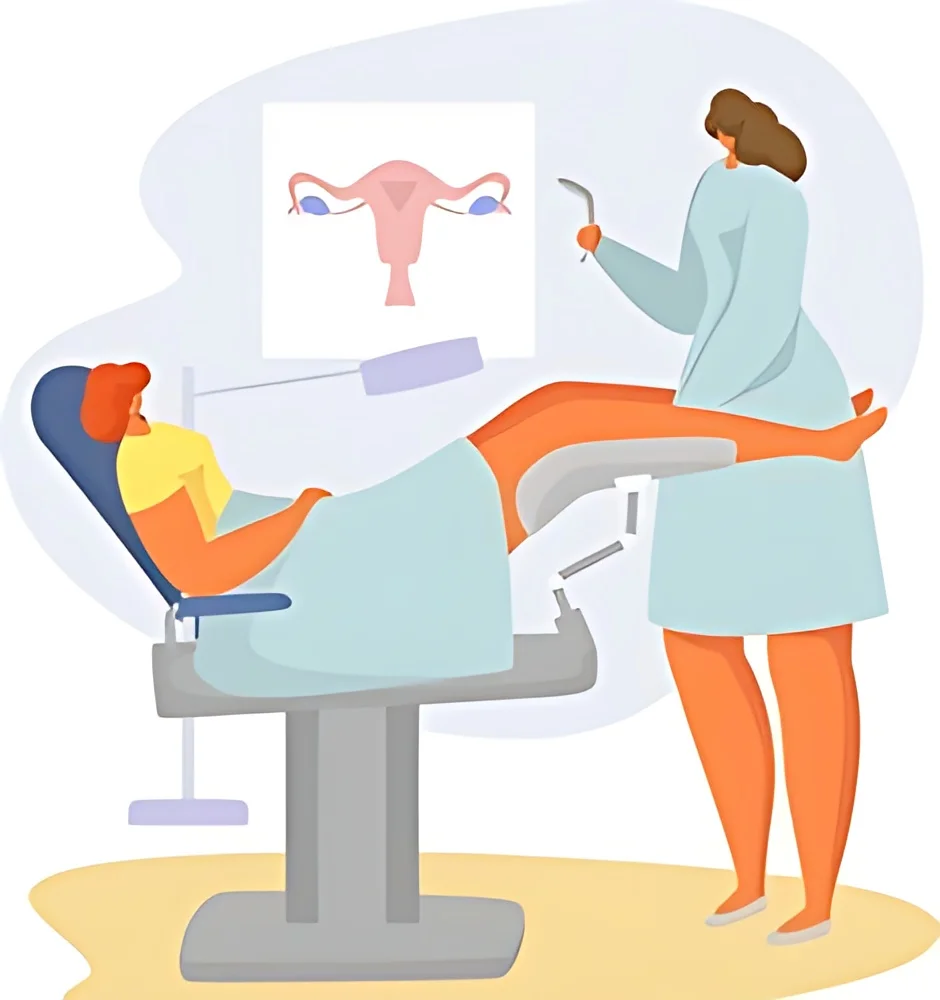
2. Positioning on the X-ray Table: The patient assumes a pelvic exam-like position on the X-ray table.
3. Speculum Insertion: It is way similar to a standard gynecological procedure; a speculum is carefully inserted into the vagina to open the cervix.
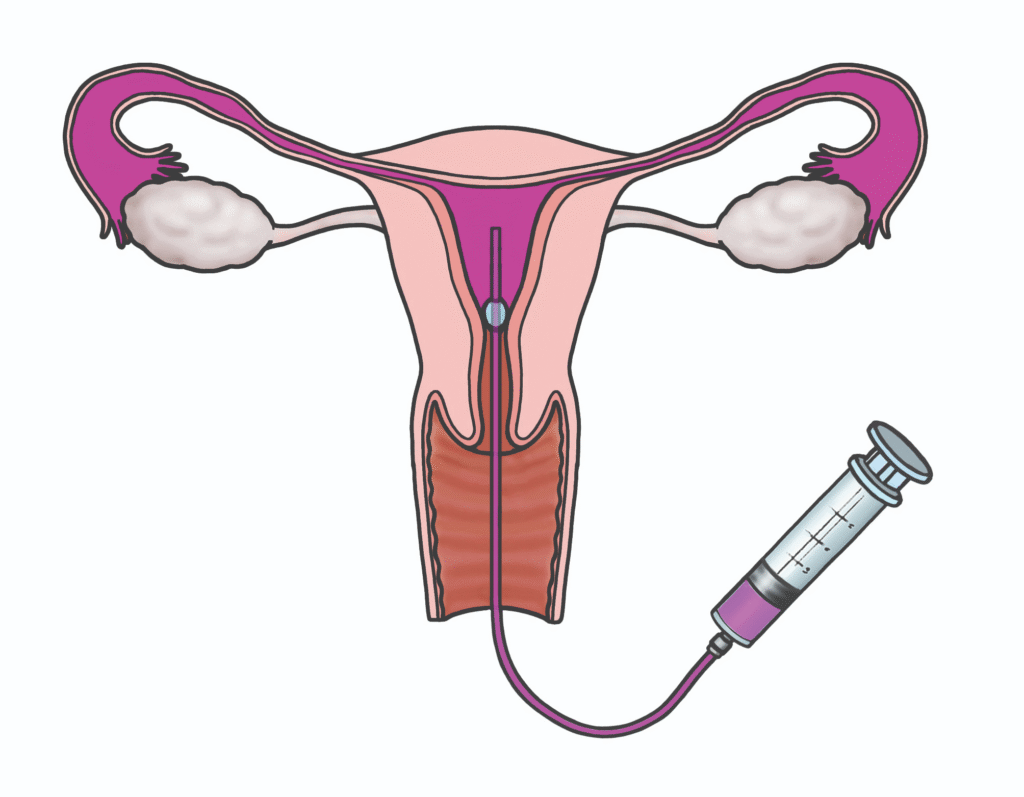
4. Injecting Contrast Dye: A contrast dye is gradually then inserted into the uterus after a tiny, thin tube is introduced into the cervix.
5. Taking X-ray Images: To see the dye as it passes through the uterus and tubes, fluoroscopy is used to obtain X-ray images for more clarity.
6. Checking Tube Patency: The dye will enter the pelvic cavity if the tubes are open. If it stops halfway, that could indicate a blockage
7. Procedure Completion: The patient is then permitted to return home immediately after the instruments are removed.
The process is often carried out in a radiology department under the supervision of a gynaecologist or fertility specialist.
Preparation Before an HSG Test:
The HSG Test can be more comfortable and effective with the right preparation:
- Avoid intercourse for 1–2 days before the test
- Prior to the test, the concerned physician may prescribe antibiotics.
- If there is any symptoms of getting pregnant, then ensure your doctor knows about it.
- Report is any allergies persist, with contrast dye or iodine allergies being the most significant.
- Wear comfortable attire for easy movement.
- Though fasting is not always a necessary, one might confirm with a doctor.
What Are The Possible Side Effects and Risks?
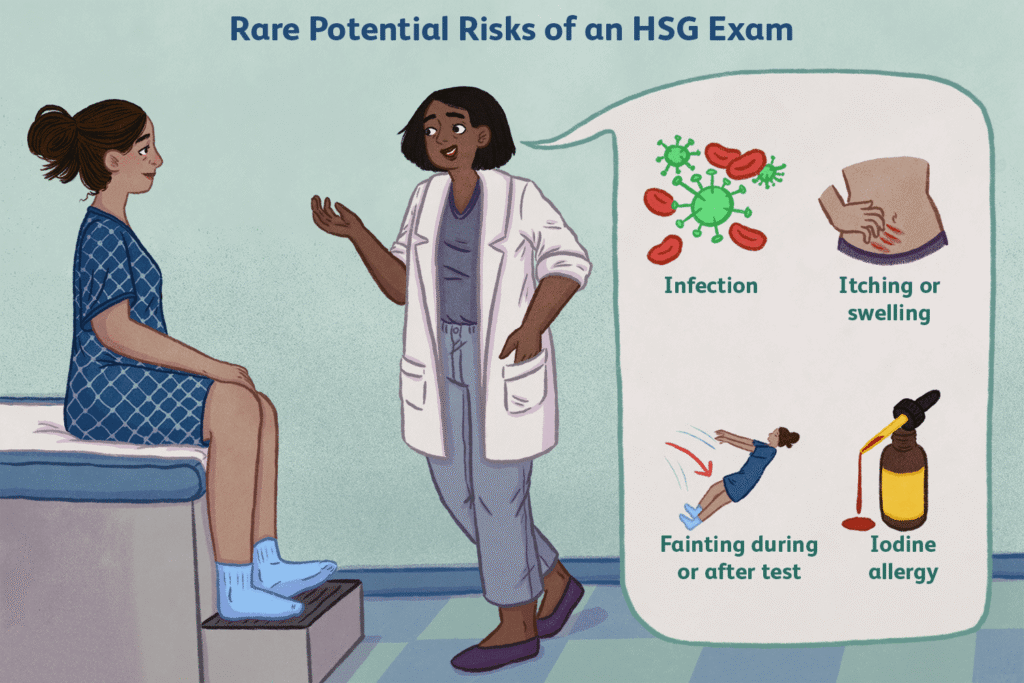
Although the HSG Test is generally considered safe, there are a few transient adverse effects:
- Cramps of mild to moderate severity can occur during or after the procedure
- Light spotting or vaginal discharge for 1-2 days.
- Watery discharge due to the residual dye
- Low risk of pelvic infection
- In rare situations, there may be an infection or allergic reaction to the contrast dye.
Most symptoms resolve rapidly, and routine activities can be resumed the same day unless otherwise ordered.
Know The Benefits of the HSG Test in Fertility Treatment:
The HSG Test holds many benefits as when it comes to infertility diagnosis:
- Helps infind the main cause of infertility very quickly.
- Determining if the fallopian tubes are blocked.
- Providing the doctor with a clear view of the uterus, allowing detection of any structural defects.
- It is a non-invasive, rapid, and economical diagnostic instrument.
- Reducing procrastination in initiating their necessary fertility treatment.
A positive HSG result increases the likelihood of pregnancy for many women.
When to Consult a Fertility Specialist After an HSG Test
After the HSG testing is done, a meeting with a fertility specialist is quite important if there is HSG blockage, uterine anomalies or decreased dye flow. Also, an expert will evaluate the results properly and provide the following stages, which may involve medication, laparoscopy, IUI or IVF depending on the different findings.
Conclusion:
This process is useful in identifying tubal and uterine issues early on, that’s why HSG Test is playing a significant role in the diagnosis of infertility issues. Patients can make wise decisions and have a more hassle-free experience if they are aware of this HSG test, its meaning, its purpose and the process that takes place. A couple has a great chance of success and the entire process of becoming parents is now easier if they are tested early and quickly directed to the experts at Bansal IVF.
So, contact them today!