A condition known as “small uterus,” sometimes referred to as “underdeveloped uterus” or “undersized uterus,” occurs when an adult woman’s uterus is smaller than it should be. Hormonal, genetic, or developmental disorders may be the cause of this and can also impact the IVF process. While many women with small uteruses show no symptoms at all, others may have irregular periods, delayed puberty, or difficulty becoming pregnant. This blog provides clear, understandable explanations of the signs, causes, methods of testing, effects of a small uterus on fertility and the Small Uterus Symptoms.
What Is Referred As Small Uterus?
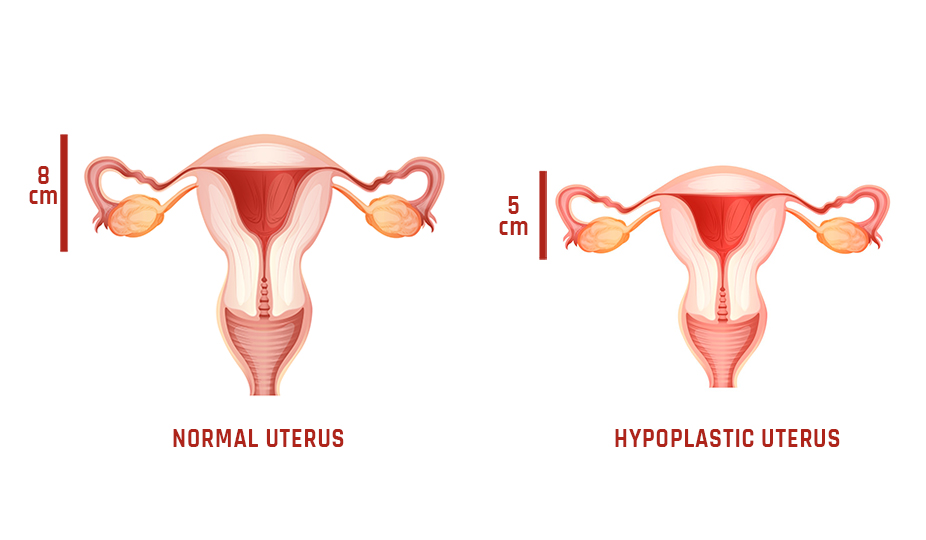
When a woman of reproductive age has a small uterus, her uterus is not formed to the typical size. Hormonal changes during puberty cause the uterus to expand regularly. In certain instances, a woman’s medical issues may cause its development to be incomplete, delayed, or both.
A small uterus can be:
- Significantly undeveloped, also referred to as an infantile uterus.
- A bit smaller than typical, which may not cause noticeable Small Uterus Symptoms, such as hormonal balance, menstruation health and overall reproductive system function can all be impacted by this illness.
What Are The Small Uterus Symptoms?
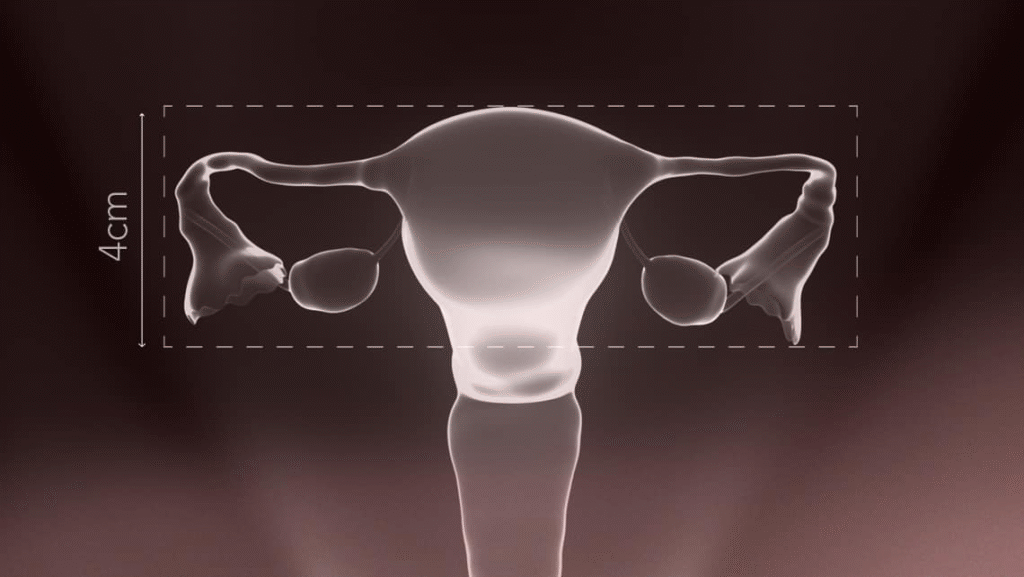
While some women may not exhibit any Small Uterus Symptoms, others may have hormonal or reproductive health-related problems.
• The irregular or delayed menstrual cycle is one of the common symptoms.
• Minimal or light bleeding.
• In certain situations, absences.
• Pain in the lower abdomen or pelvic.
• A delayed puberty onset.
• In extreme circumstances, underdeveloped secondary sexual traits.
• Having trouble getting pregnant or staying pregnant.
Some Of the less typical signs and symptoms
- A brief menstrual cycle
- Lower than average hormone levels.
- Infrequent instances of repeated miscarriages.
- Depending on the underlying reason and degree of uterine underdevelopment, the symptoms may vary.
Know About The Causes of a Small Uterus:
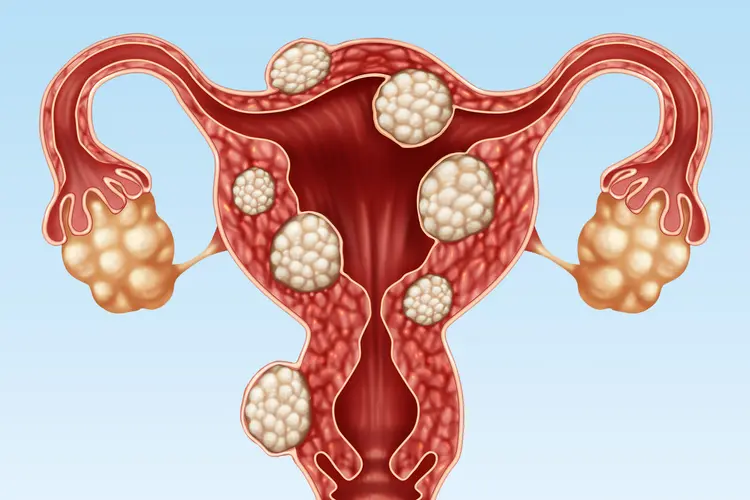
Uterine development is a process which relies on hormones, genetics, nutrition and health. A Small Uterus Symptoms may be caused by one or more of the following factors:
- Hormonal imbalance: Uterine development may be slowed or stopped by low levels of estrogen or other reproductive hormones. The reason can be late puberty or hypothalamic dysfunction as well.
- Congenital or Genetic Factors: Due to differences because of genetics or reproductive organ malformations can lead to women born with a small uterus.
- Prolonged Illness in Childhood: Also, the puberty and reproduction process can get impacted by such chronic conditions.
- Inadequate Nutrition: Hormonal balance and growth may be impacted by poor nutrition, particularly in the growing years.
- Early Insufficiency of the Ovaries: Low ovarian hormone production may hinder uterine growth.
- Developmental or structural anomalies: Congenital reproductive tract abnormalities may be linked to a small uterus.
How Can A Small Uterus Affects Fertility?
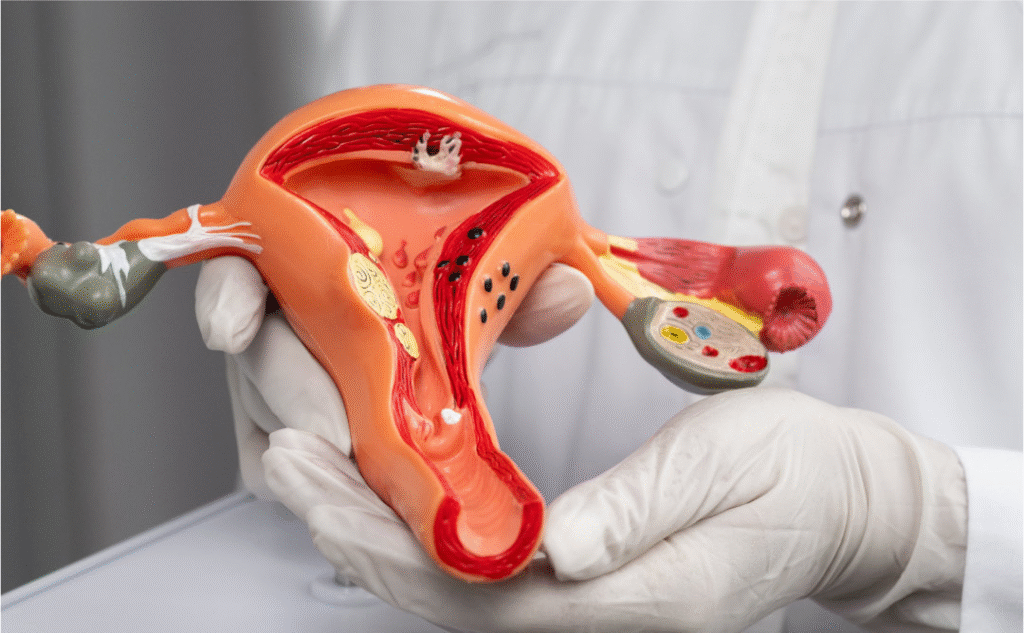
If the hormone levels are normal, many women with tiny uteruses can conceive naturally. However, there are some circumstances that could lead to issues with fertility.
The specialists typically classify a Small Uterus Symptoms into three levels in order to understand the potential of reproductive capacities and create future-appropriate care.
Level 1 Is The Severe Underdevelopment:
- The uterus is primitive or hypoplastic; it is less than 3 cm broad, with the cervix making up about half of its size which is commonly referred to as infertility and lack of menstruation.
- Depending on local laws, parenting may still be achievable using alternative reproductive methods if ovarian function is normal.
Level 2 Is Moderate Underdevelopment:
- The uterus may exhibit absent or irregular periods, painful menstruation, pain during sexual activity, and delayed physical development.
- The treatment may be hormonal and metabolic to improve reproductive functioning.
- The uterus is larger than a primitive uterus, though it still has similar proportions to the body and cervix.
Level 3 Is Mild Underdevelopment:
- The uterus is around 7cm to 8 cm in length and has almost normal proportions. The fertility is usually saved but pregnancy monitoring is still recommended.
- Individual expert care and right time diagnosis are some of the important aspects of reproduction and also lower the Small Uterus Symptoms.
How Is The Diagnosis done for a Small Uterus?
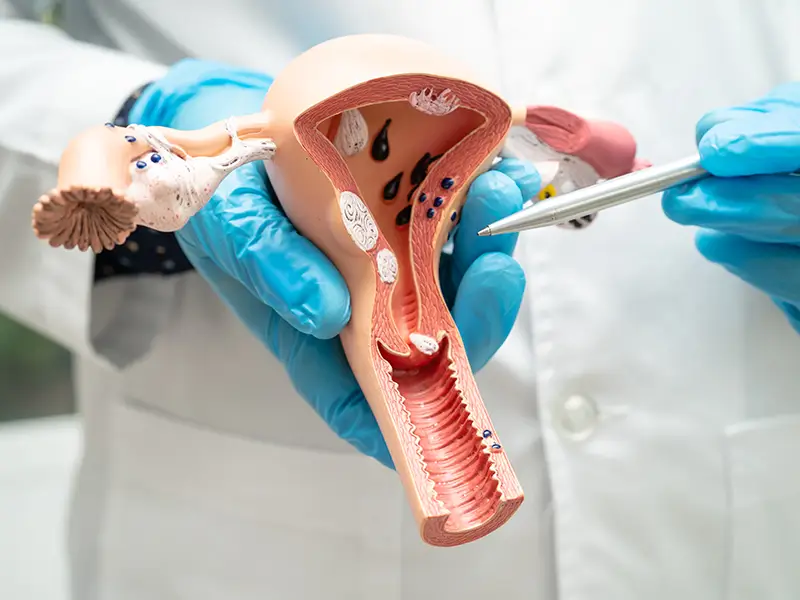
A gynaecologist can evaluate the condition through a combination of physical tests, screening and hormone testing.
Diagnostic methods include:
- Ultrasound: Transvaginal or abdominal ultrasounds are the most widely used imaging techniques for determining the size and anatomy of the uterus.
- Hormone Profile Tests: Blood tests help in the determination of the amounts of hormones that are involved in reproduction, such as thyroid hormones, oestrogen, FSH and LH.
- Pelvic Examination: Poorly formed genitalia might be found during clinical examination.
- MRI Scan (if necessary): When there is a suspicion of congenital anomalies, more comprehensive imaging is required.
- Medical History Assessment: Details about the onset of puberty, menstruation history, childhood health, and family history can all help identify the cause.
The right and accurate diagnosis can help in the determination of the appropriate treatment program for Small Uterus Symptoms.
Dealing With Myths And Misconceptions For Small Uterus:
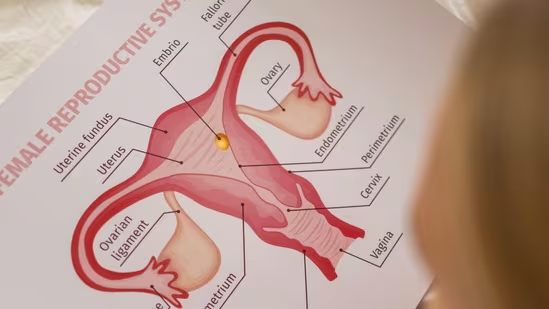
When it comes to uterus size, small uterus symptoms and health, it gets important to differentiate between fact from fiction:
- Small Uterus and Infertility: A small uterus does not always prevent fertility. Healthy pregnancies are common among women with small uterus problems.
- Blame or Stigma: Uterine size is an uncontrollable disorder that is majorly caused by hereditary or medical issues.
Conclusion:
Although the fact that the small size of the uterus may be disconcerting, medical science can really help in many ways. Early diagnosis through Small Uterus Symptoms and thorough evaluation along with customized treatment plan can improve menstrual health and reproductive outcomes.
When women obtain the right medical care and adopt new supportive lifestyle practices, they are more equipped to embrace their own reproductive health and make better decisions about their future goals.
So, don’t wait and contact Bansal IVF in Sonipat today!