Down syndrome is named after John Langdon Down who was an English doctor and the first person to publish an accurate description of this condition in the 1860s. It is a lifelong condition which has no cure. All the doctors know more about it now than ever. If your child has it, getting the right care at the early stage can make a huge difference. It can actually help them live a full and meaningful life.
What Is Down Syndrome?
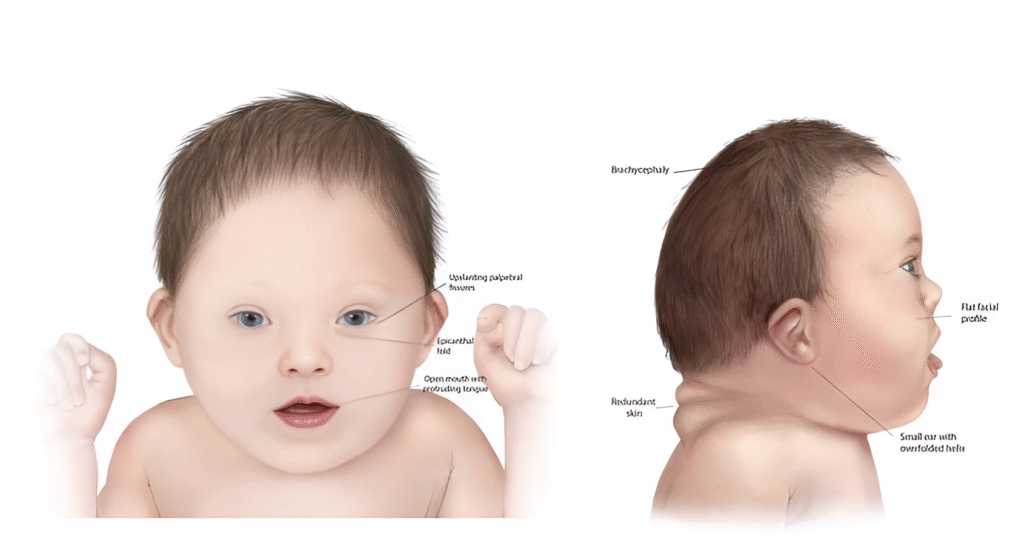
Down syndrome is a genetic condition that causes mild to significant physical and developmental problems.
People with Down syndrome (DS) are born with an extra chromosome. Chromosomes are bundles of genes, and your body relies on having just the right number of them. With Down syndrome, this extra chromosome leads to a range of issues that affect you both mentally and physically.
Difference Between Down Syndrome And Autism:
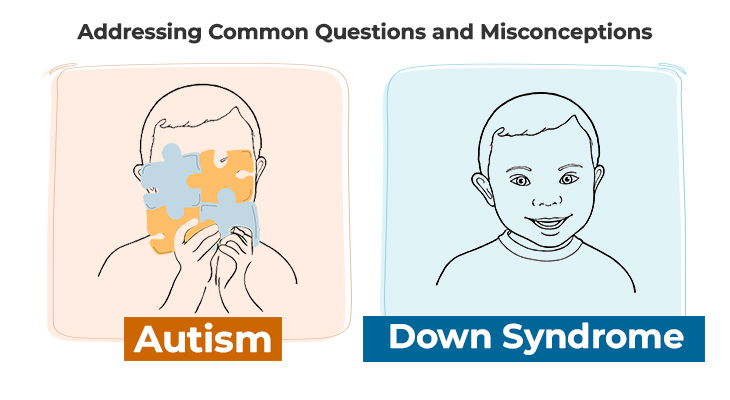
The two circumstances have certain parallels and discrepancies. The top IVF Centre In Sonipat will examine the distinctions first.
Down syndrome is a genetic condition that typically manifests physically. Individuals who have this illness are frequently gregarious and amiable. Their linguistic development is comparable to that of youngsters who are more typical.
Autism is a neurological condition (brain and nervous system dysfunction) that lacks physical symptoms. Individuals who suffer from this illness frequently want to remain by themselves and avoid social interaction. Their verbal abilities may not develop at all or may be delayed.
Know The Similarities Of Both The Groups May Have:
- Prefer routine
- Have developmental delays
- Avoid eye contact
- Enjoy repetitive play
- Show challenging behaviors (trouble managing feelings when frustrated, lack of impulse control, etc.)
Almost 18% of children are suffering from Down syndrome and have autism, but sometimes children with DS might show these behaviours without having autism as well.
Knowing The Different Types of Down Syndrome:
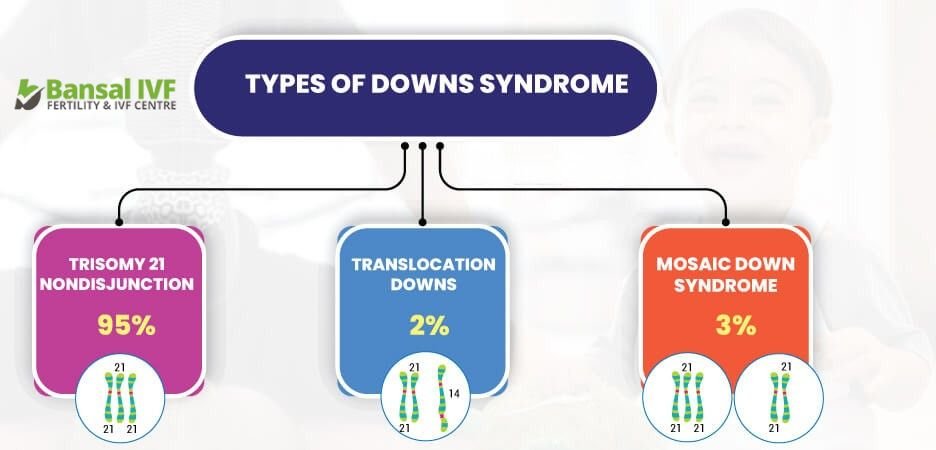
There are 3 types of Down syndrome that includes trisomy 21, translocation Down syndrome and mosaic Down syndrome. Let’s know them in detail now:
Trisomy 21: This is the most common type as there are 95% of people with DS who are having trisomy 21. In this type, all your cells of the body have 3 copies of chromosome 21 instead of having just two.
Translocation Down syndrome: This kind, in which an extra portion or entire chromosome 21 is present but is joined to another chromosome rather than existing as a separate chromosome 21. It actually affects almost about 3% of individuals with Down syndrome.
Mosaic Down syndrome: About 2% of persons with DS have this form of the disorder, which is caused by an extra copy of chromosome 21 in only a portion of your body’s cells.
A person’s appearance cannot reveal the type they have. All three forms have fairly comparable effects, but because fewer cells have the extra chromosome, a person with mosaic Down syndrome might not have as many symptoms. Thus, this type may also go undiagnosed.
What Are The Symptoms Of Down Syndrome?
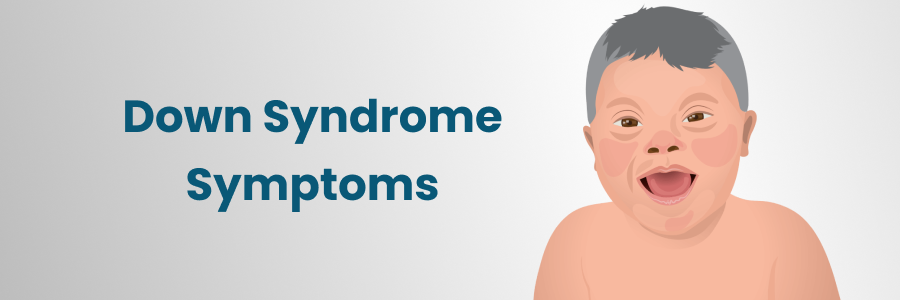
The impacts of Down syndrome vary from person to person and can take many different forms. Some will grow up to be nearly self-sufficient, while others will require additional assistance with self-care.
The majority of individuals with this issue have mild to moderate problems with thinking, reasoning, and understanding, while mental capacities vary. They will continue to learn and acquire new skills throughout their life, although it can take them longer to accomplish critical objectives like walking, speaking, and social skills development. Individuals with DS may also experience behavioral issues, such as poor attention spans or compulsive behaviors. This is because they find it more difficult to restrain their impulses, connect with others, and control their emotions when they become irritated.
People with Down syndrome may learn to make many decisions on their own as adults, but they will probably require assistance with more complicated matters, such as birth control or money management. While some will require more daily care, others may attend a college that can offer accommodations and adjustments specific to intellectual and developmental impairments and go on to live independently.
What Are The Treatments Available for Down Syndrome?
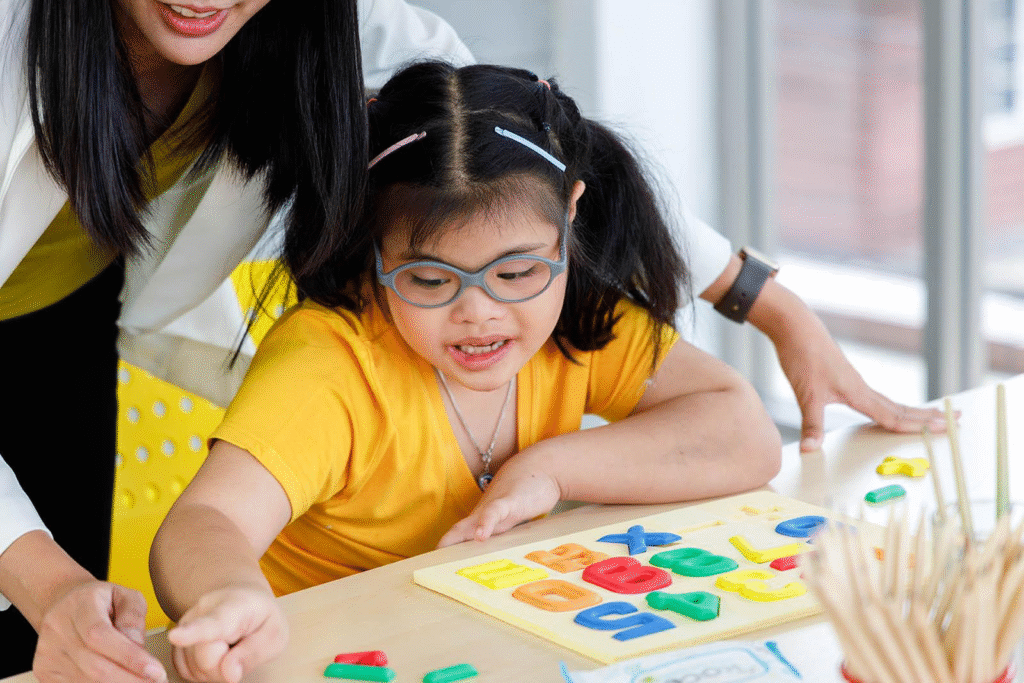
Down syndrome does not have a specific treatment. However, a variety of developmental and physical therapies are available to assist individuals with this problem to realize their full potential. It is best to begin treatment as soon as possible. Though at a later age, children with DS can typically reach the same milestones as normal kids. In order to help children with the condition reach certain milestones, therapy is essential.
Each child will have different needs. Yours may benefit from:
- Occupational, speech and physical therapy: Your kid can benefit from the assistance of physical and speech therapists with proper sitting and walking, speech development, and communication skills. Everyday tasks including eating, dressing, and using a computer are taught by occupational therapists.
- Behavioral therapy: Children with Down syndrome may also require treatment for disorders including autism, ADHD, or obsessive habits.
- Services for specialized schooling: Children with Down syndrome are legally entitled to free educational assistance and learning aids in the United States. This support continues until they graduate from high school or turn 21, whichever comes first. Social and recreation activities
- Programs that offer job training and teach self-care skills
You will also work closely with your child’s doctor to watch for and manage any health problems that come with the condition.
Conclusion:
People who are suffering from the Down Syndrome are actually born with an extra chromosome. This can lead to a range of issues for them as that can affect them mentally and physically both. Also, nowadays, there are many interventions that can help people to diagnose DS and let them live, lead fulfilling and have productive lives.
So, contact the best Bansal IVF Centre Sonipat today to raise a healthy child.