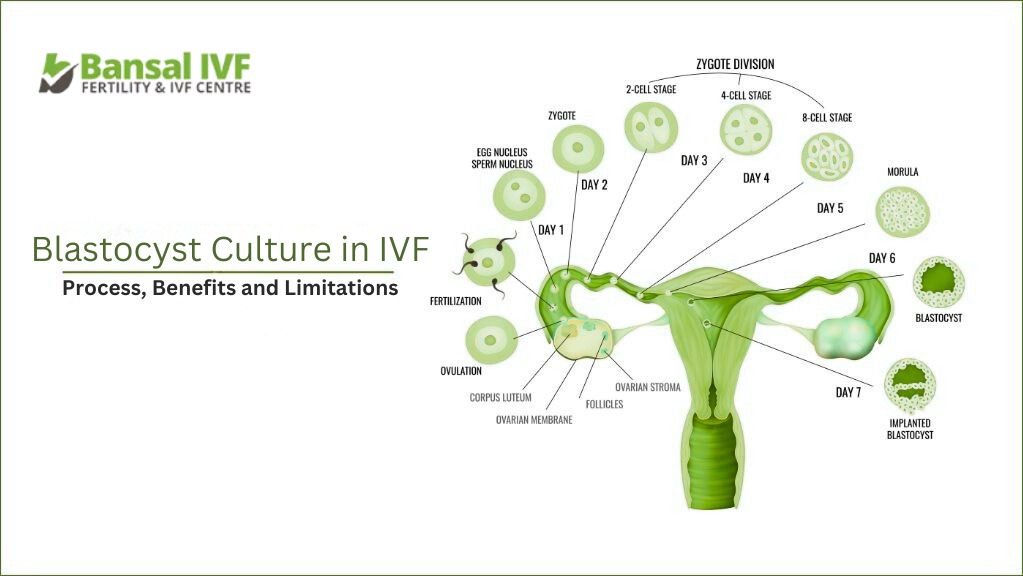
Blastocyst Culture In IVF allows the embryos to grow to day five or six that eventually is helping in knowing and identification of those with strong developmental potential.
In vitro fertilisation (IVF) is a cornerstone of assisted reproductive technology (ART) that is offering hope to millions of individuals and couples facing the issue of infertility. One of the most important advancements in IVF is the development of blastocyst culture. It is a technique in which the embryos are well-cultivated to the blastocyst stage which is typically five or six days after fertilisation and right before the transfer. Blastocyst culture has become a key step in modern blastocyst IVF protocols.
This blog is discussing the process of Blastocyst Culture In IVF, its scientific usage, clinical benefits and its role in improving the overall IVF outcomes.
What Is Blastocyst Culture?
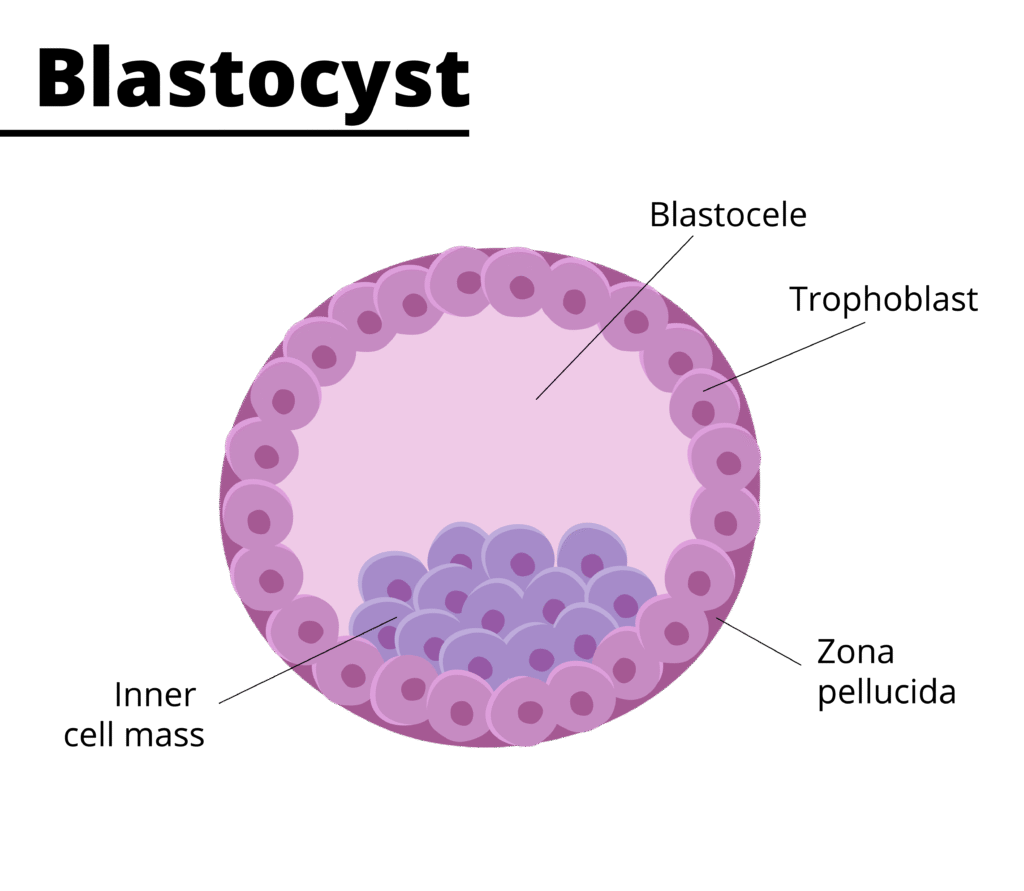
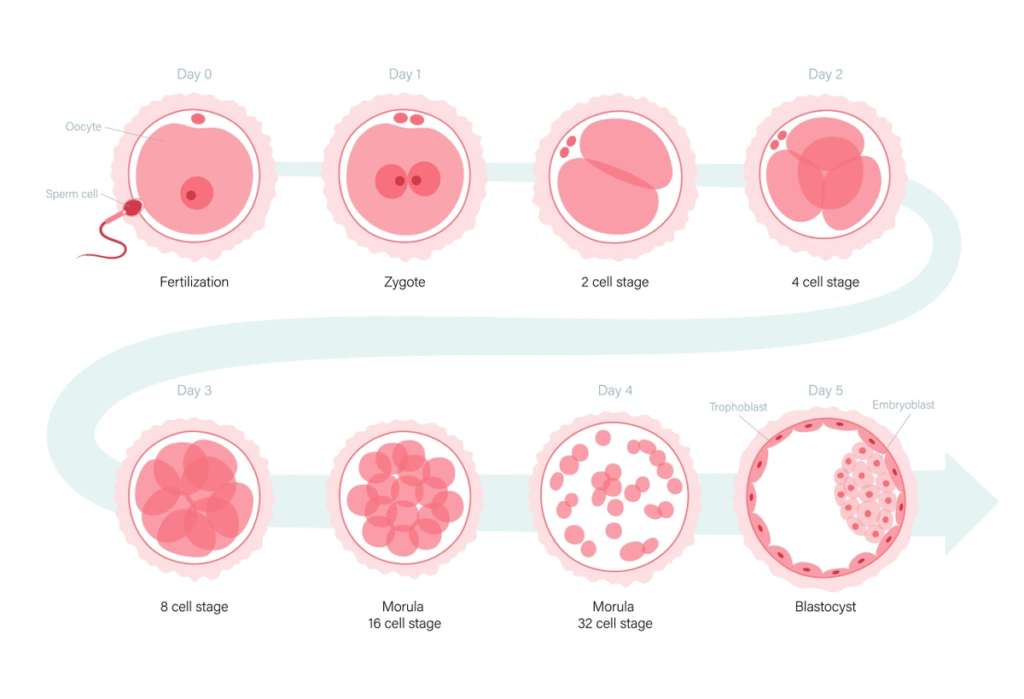
The stage of an embryo known as the blastocyst stage occurs when it is cultivated in a lab for 5 days following fertilization. Instead of transplanting embryos early, it involves letting them develop in the lab until day five or six. The embryology team can monitor if the embryo is still dividing and developing normally thanks to this prolonged culture period.
Not every embryo develops to the blastocyst stage; some may cease to grow between days three and five. Because they have already reached a number of developmental steps, those that do become blastocysts are frequently seen as better candidates for transfer.
What Is the Use of Blastocyst Culture In IVF?
Blastocyst Culture In IVF comes in usage for many reasons and the decision is always based on individual circumstances. Also, the quality of available embryos. It is also used to:
- Identify the embryos holding the stronger developmental potential
- Support safer single-embryo transfers
- Improve implantation chances in selected patients
- Facilitate genetic testing if needed
This approach is not well-suitable for everyone and should be guided by a fertility specialist and an embryology team.
What Are the Benefits of Blastocyst Culture in IVF?
There are several benefits of Blastocyst culture in IVF such as mentioned below:
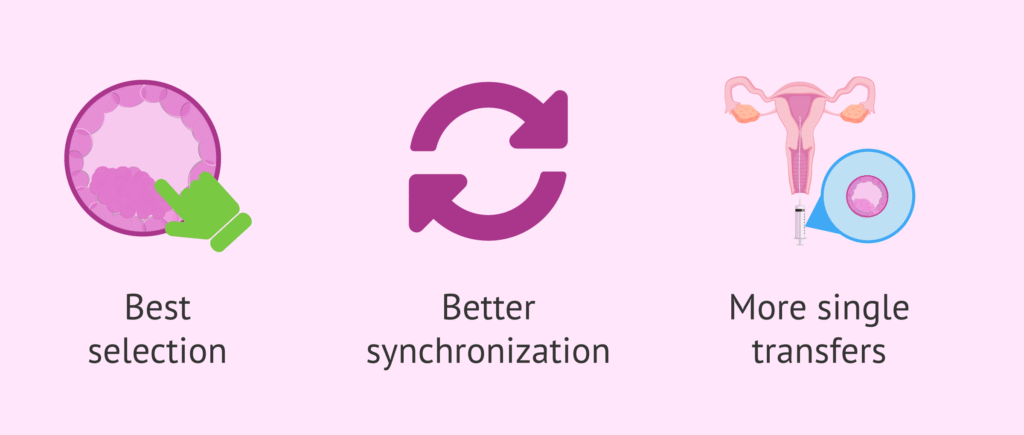
1. Helps in the best Selection of Embryos:
Allowing embryos to reach the blastocyst stage helps the laboratory see which ones continue to develop normally. These embryos may have a higher likelihood of implantation.
2. More Natural Timing With the Uterus:
In natural conception, the embryo reaches the uterus around day five or six. Transferring a blastocyst mirrors this timing and may improve implantation in some cases.
3. Helps in the Support of Single Embryo Transfer:
Doctors are frequently giving suggestions for the transplantation of a single blastocyst as these blastocysts may also have a higher implantation chance. This overall helps in preserving the success rates while lowering the chances of having twins or higher-order pregnancies.
4. Get the benefit of Pre-implantation Genetic Testing:
Without affecting the inner cell mass that forms the newborn, blastocyst culture in IVF offers a safe and secured way to biopsy a few cells from the trophectoderm for genetic testing.
5. Possibility of Higher Pregnancy Rates:
Many studies imply improved continued pregnancy rates in chosen patients, although outcomes vary dependent on age, egg and sperm quality and testing criteria.
What Are The Limitations of Blastocyst Culture In IVF?
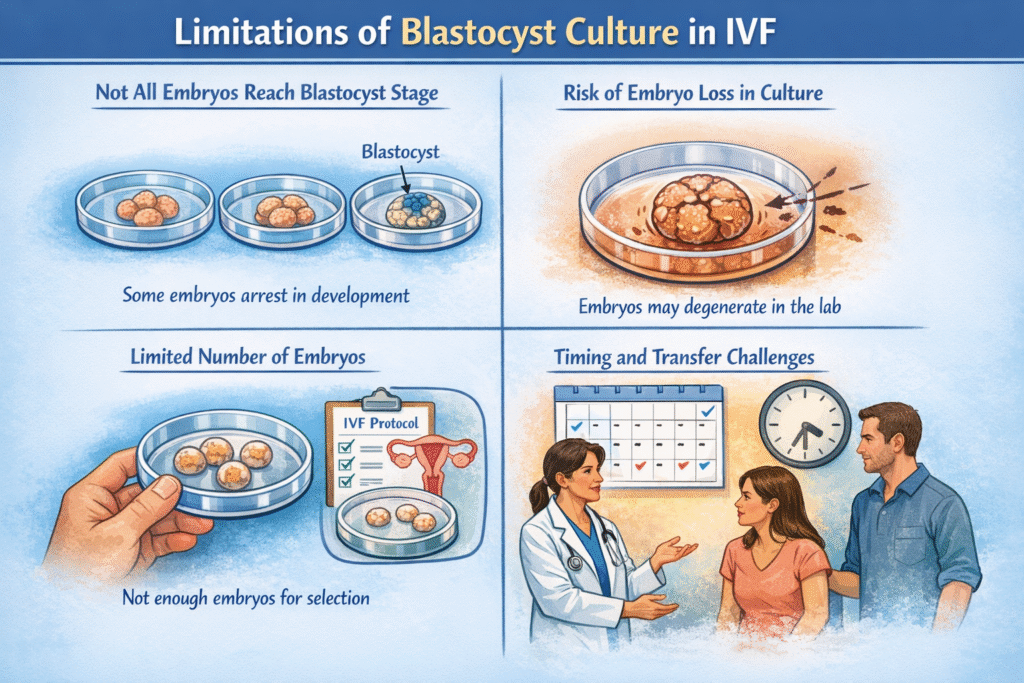
While blastocyst culture is offering many advantages and it also has other limitations that are important to understand. Let’s have a look at those factors mentioned below:
1. Not Every Embryo Makes It to the Blastocyst Stage:
Blastocyst creation may not always take place since some embryos that seem normal on day two or day three may stop developing by day five.
2. It might not be appropriate for everyone:
Transferring on day 3 may provide a higher probability than waiting for blastocyst formation for patients with few embryos.
3. Laboratory Quality Affects Success Rates:
Blastocyst culture in IVF requires complex technology and highly competent embryologists. Different clinics may have different levels of success.
Why Is Blastocyst Culture Better In IVF?
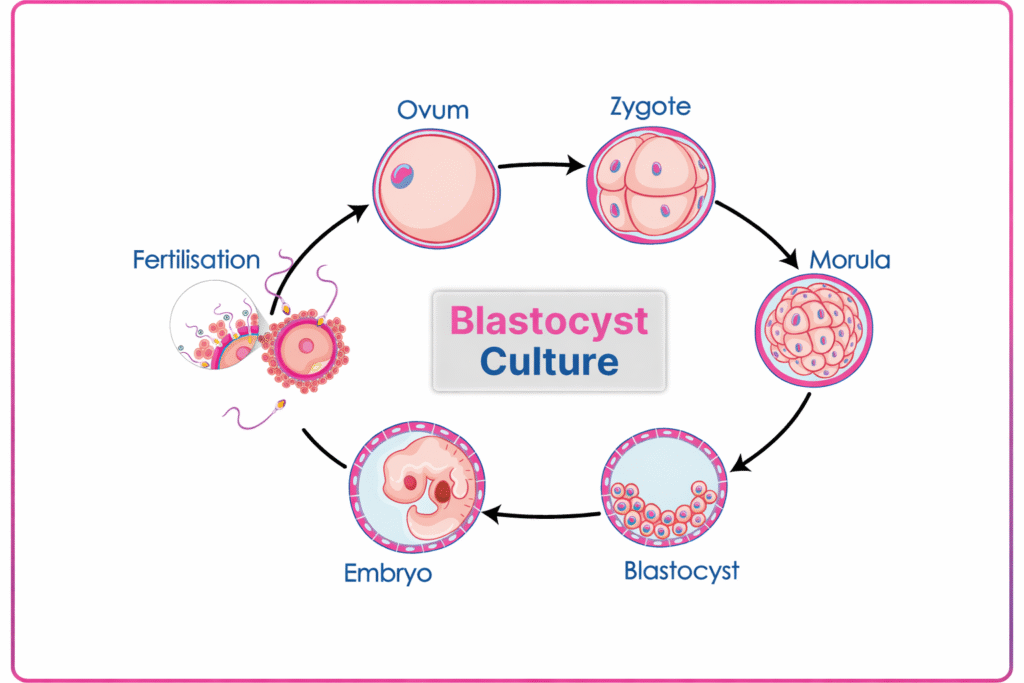
The blastocyst stage is only reached by the best, most viable, genetically robust embryos. Thus, choosing the best embryos for making the transfer process will be increasing the chances of success and also the pregnancy rates.
What Are The Drawbacks Of Blastocyst Culture?
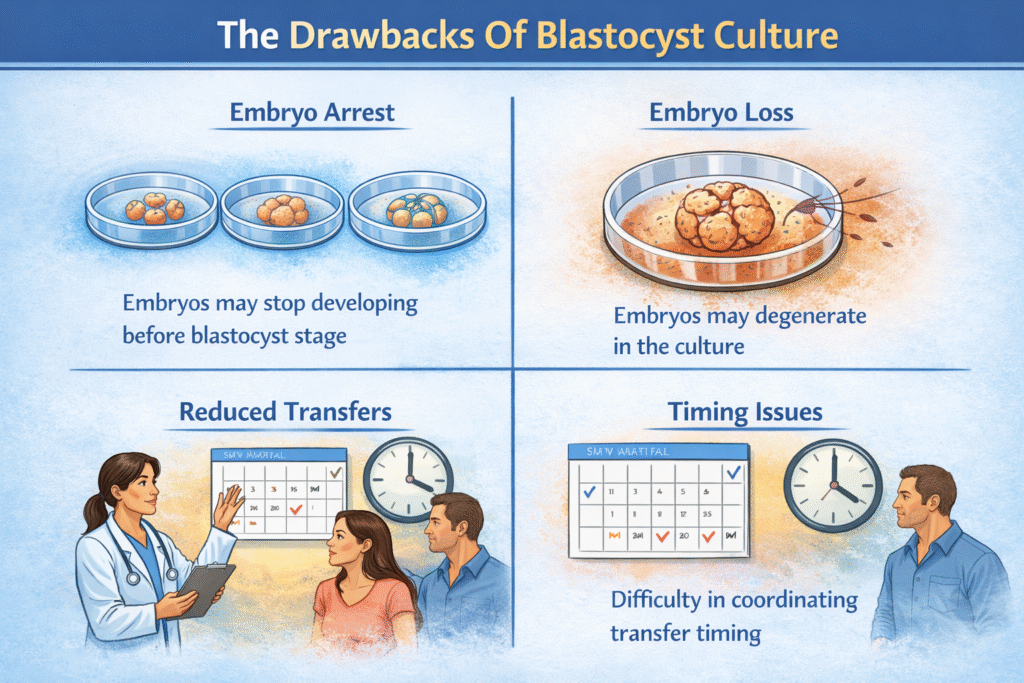
Many times, there is a possibility that no embryos may reach till the blastocyst stage. As they may not be that strong enough to grow in an artificial culture process or they may not be genetically strong enough to hold. In that case, no embryo may be available for making transfer, hence leading to a failed IVF cycle. In that case, the cleavage stage at day-3 embryos may lead to better IVF outcome.
Conclusion:
Blastocyst Culture In IVF is an important advancement that helps in allowing the embryos to grow to a more advanced stage. It is also helpful in knowing and identifying those with the highest developmental potential. For many patients, it not only supports the safer single-embryo transfer but also aligns more naturally with the implantation timing.
Additionally, it will be improving the treatment planning for sure. While it is not suitable for every situation, the right understanding of how the blastocyst culture works. It makes all the IVF journey difference while letting you feel more informed and manageable as well. A fertility specialist can be insightful whether this approach is most appropriate based on individual circumstances and embryo quality.
So, what are you waiting for? Just contact Bansal IVF in Sonipat right now for the right support by the highly experienced people.