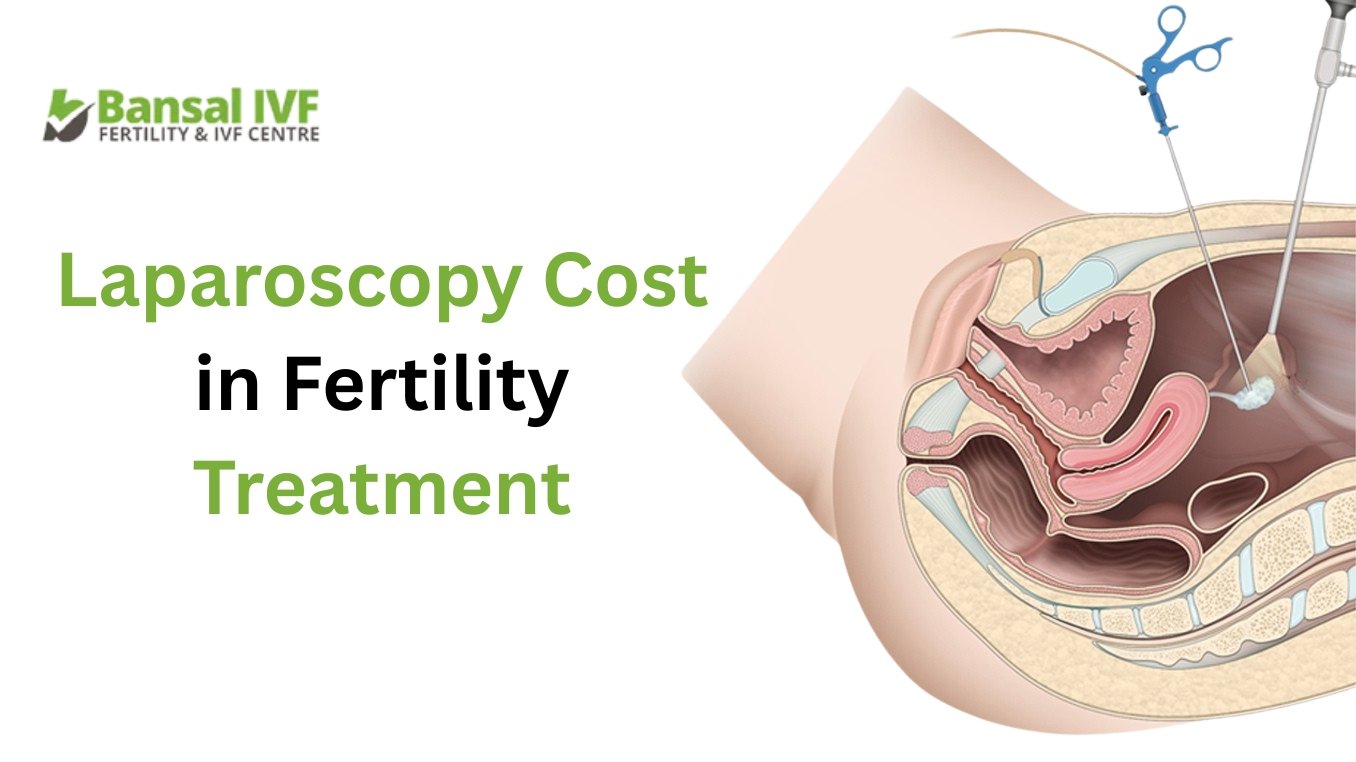
Laparoscopy is crucial to the diagnosis and management of numerous illnesses. The doctor looks at the reproductive system to determine the root cause of infertility when this procedure is utilized for fertility testing. This article contains comprehensive information regarding the laparoscopic technique, including its role in fertility treatment, recovery time, and step-by-step instructions.
What is Diagnostic Laparoscopy?
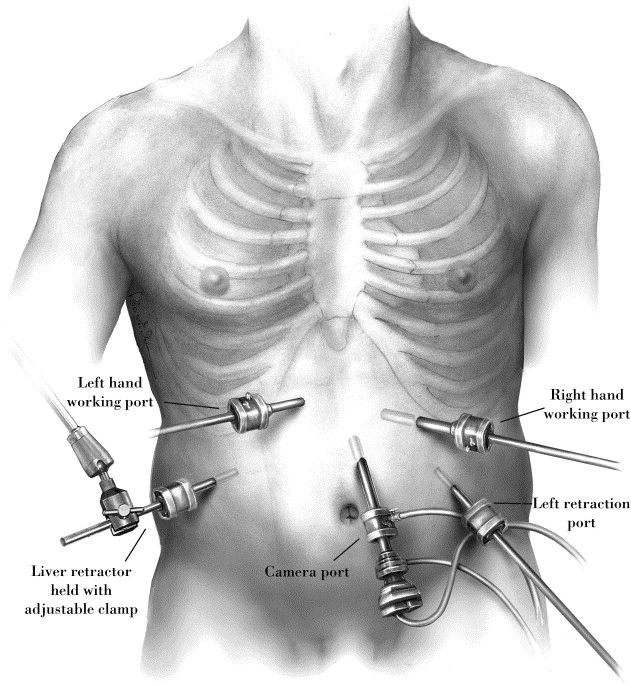
Diagnostic Laparoscopy is a minimally invasive surgical technique that is crucial for the diagnosis and management of specific illnesses. Using a laparoscope, a physician can view the reproductive organs and choose the best course of action.
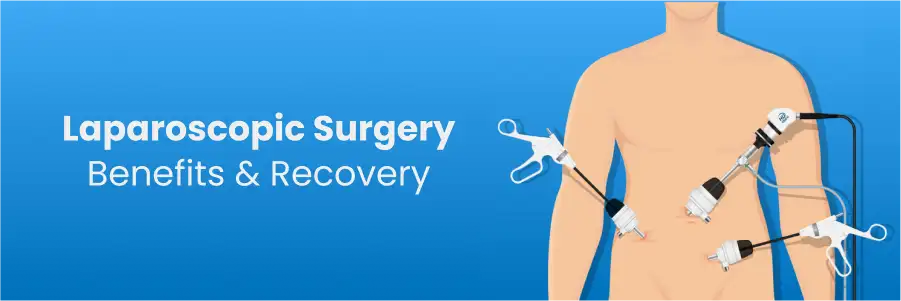
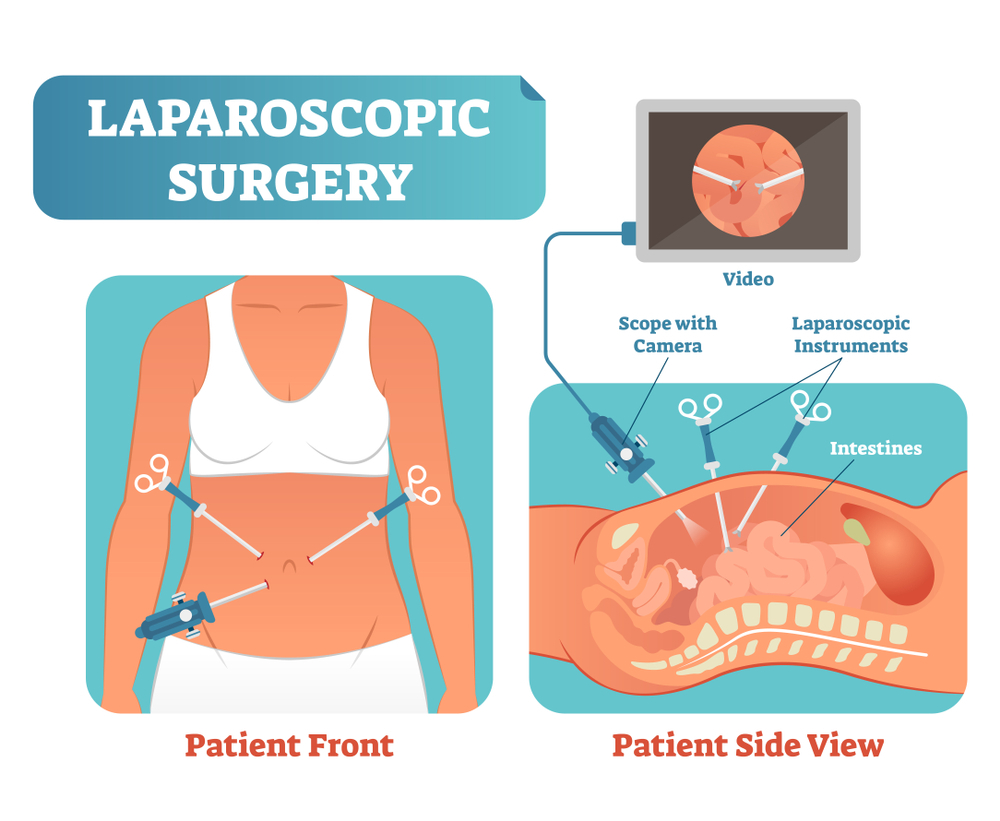
A thin instrument is used in laparoscopy. We refer to it as a laparoscopy. It has a camera at one end of a tube. Small incisions are made to implant a laparoscope into the abdominal cavity. Internal organ images can be seen on the screen with the aid of the camera. Other tools can be inserted via the tiny incisions to do basic procedures, such as removing fibroids, scar tissue, or cysts.
Why Is Laparoscopy Done?
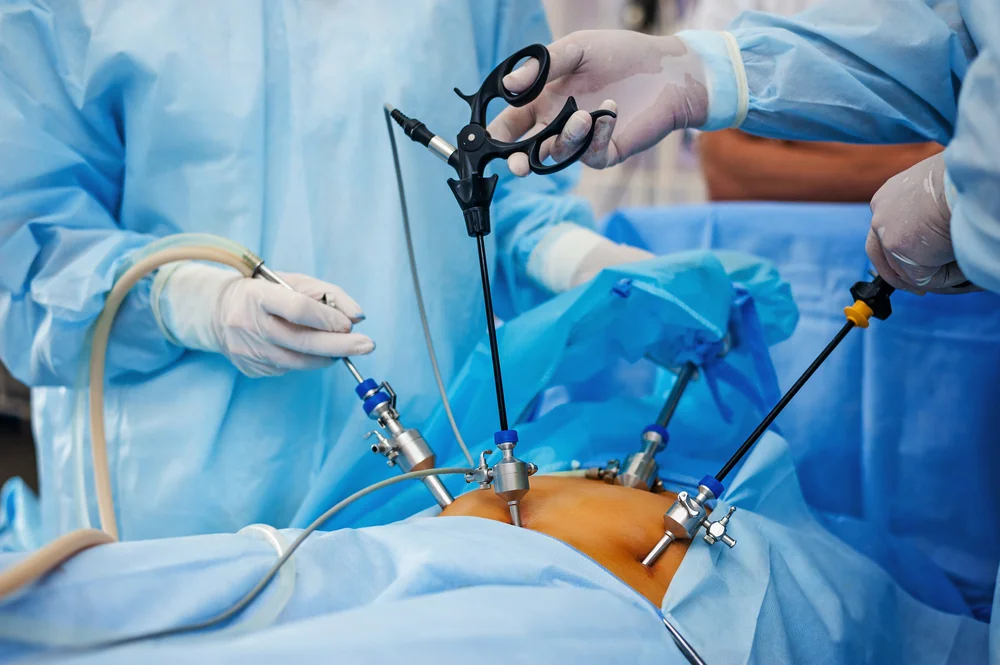
One practical diagnostic method is laparoscopy. But it also aids in the diagnosis and treatment of abdominal and gynaecological issues. The following situations can be treated by laparoscopy:
- Assessment of infertility in both genders.
- Endometriosis diagnosis and treatment.
- In females with polycystic ovarian syndrome, removing ovarian cysts, the management of uterine fibroids.
- Looking for scar tissue in organs and removing it.
- Assessing inflammatory illness of the pelvis
- For tubal ligation, a long-term method of birth control.
- For ectopic pregnancy diagnosis.
- Obtaining precise data and visualizing the interior organs.
What Is The Step-By-Step Laparoscopic Procedure?
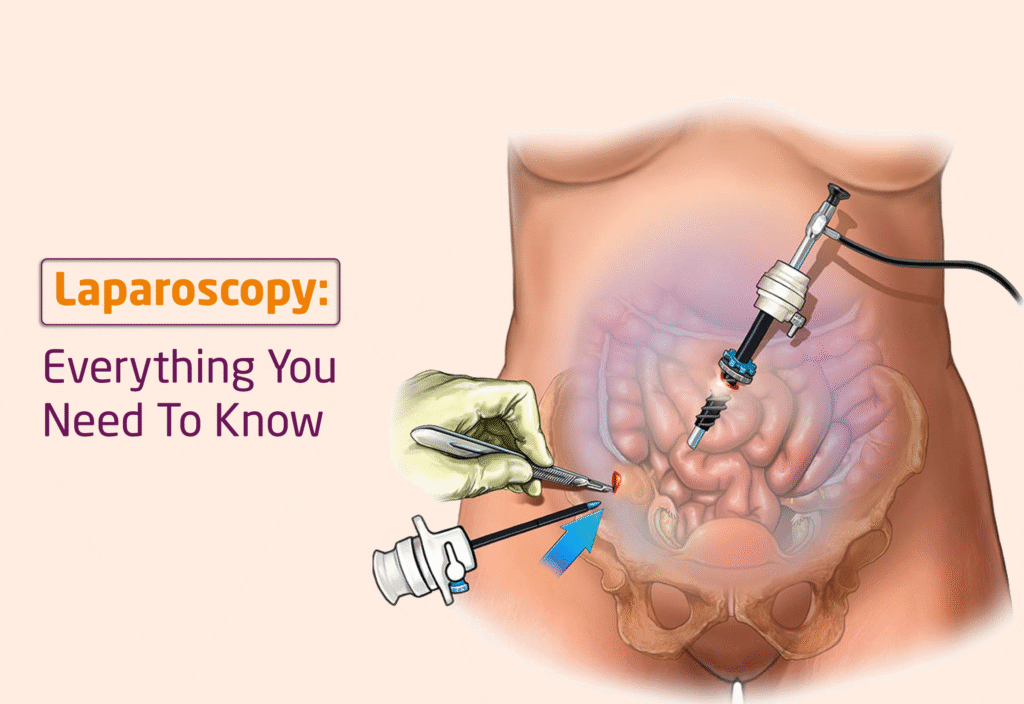
Laparoscopy is used to visualise internal organs and detect abnormalities. It is a safe and minimally invasive procedure. The steps of the laparoscopic procedure at reasonable Laparoscopy Cost include the following:
- Trocars are inserted through tiny abdominal incisions made by the surgeon. The doctor makes small cuts and then adds gas to make space to make the organs very visible.
- In order to have the clear vision of the internal organs on a screen, an instrument called laparoscope is placed through the incisions. Once the laparoscope is in position, the physician can now closely see and assess the exact status of the internal organs.
- Laparoscopy is helpful in removing the scar tissue, remove cysts or even perform tubal surgery to clear obstructed fallopian tubes.
- Lastly, the physician repairs the wounds with surgical tape or dissolvable stitches, releases the gas, and takes out the instruments.
- A laparoscopic procedure may take 30 minutes to 2 hours, depending on the case.
What Is The Recovery Time After Laparoscopic Surgery?
You must focus on recovery and follow post-operative care tips after a laparoscopy for infertility:
- Pain Medication: The doctor may prescribe pain medications to manage pain and discomfort that may occur during the recovery period. You may feel drowsy after the procedure due to the anaesthetic effect. You may be kept under observation for some time to look for the signs of complications such as infection, adverse effects of anaesthesia, and bleeding.
- Hospital Stay and Discharge Instructions: The patient may be discharged the same day or within 24 hours after the procedure. The doctor gives instructions for proper wound care to prevent infection. Keep the incision site clean. You can gradually resume daily activities, but avoid strenuous activities to heal completely.
- Side Effects and Complications of Laparoscopy : As with any procedure, there is a slight risk of infection after laparoscopy. If you experience pain, swelling, fever, or redness, contact your doctor immediately.
Diagnostic Laparoscopy Help In Infertility At Reasonable Laparoscopy Cost:
The following are some ways that laparoscopy aids in the diagnosis of infertility:
- It allows doctors to examine the reproductive organs and identify structural abnormalities that may limit the ability to conceive
- It allows them to closely examine the ovaries, uterus, and fallopian tubes to find problems like adhesions or blockages that may prevent pregnancy
- It also helps detect medical conditions like fibroids and endometriosis that can also affect fertility.
Laparoscopy Is Useful In Infertility Treatment- Know How:
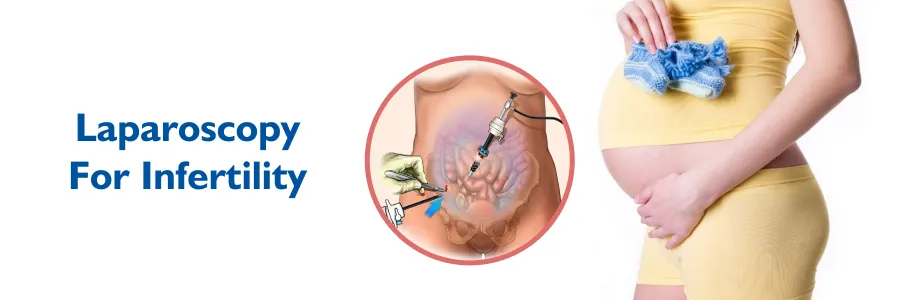
The process and Laparoscopy Cost helps in managing infertility in several ways:
• Disorders of the ovaries
Ovarian cystectomy may benefit from laparoscopy. Women with polycystic ovarian syndrome can benefit from it. Restoring ovulation and increasing fertility are two benefits of ovarian cystectomy.
• Endometriosis
Additionally, laparoscopy aids in the diagnosis and staging of endometriosis. It aids the physician in identifying and removing endometriosis lesions, which can enhance fertility.
• Tube disorders
Additionally, laparoscopy aids in the diagnosis and treatment of tubal problems, including adhesions and obstructions that may limit conception. Using laparoscopic tools, physicians can do salpingectomy or tubal cannulation.
• Applications in diagnosis
Laparoscopy aids in the diagnosis of infertility by assessing the male reproductive system. It aids in the diagnosis of diseases like varicocele and undescended testes.
Know The Benefits Of Laparoscopy:
Diagnostic Laparoscopy offers a number of advantages, including:
- Less pain following the treatment
- Smaller incisions that result in less scarring.
- There is a shorter hospital stay. Patients can typically return home the same day or within a day.
- With the right care and therapy, the patient can quickly return to their regular activities and heal more quickly.
- Helping in identification with accuracy along with the infertility management.
- Because smaller incisions are made, there is a lower chance of infection.
When Is The Doctor’s Consultation Required?
Following a laparoscopy at the affordable Laparoscopy Cost, you should see a physician if you have any of the following symptoms:
- If you get chills or a fever, see a doctor.
- If pain, swelling and redness worsen at the incision site.
- The feeling of sickness and throwing up is quite common.
- Breathing or urination difficulties along with the severe abdominal pain is also experienced.
These symptoms might need to be treated right once because they could be signs of infection or consequences.
Conclusion:
A minimally invasive method for diagnosing and treating a variety of medical issues is Diagnostic Laparoscopy. It is important for the diagnosis and management of infertility. To see at the reproductive organs and find structural problems that are causing infertility, doctors make small incisions in the belly to insert a thin device called a laparoscope.
Contact Bansal IVF centre in Sonipat today for the best guidance.