
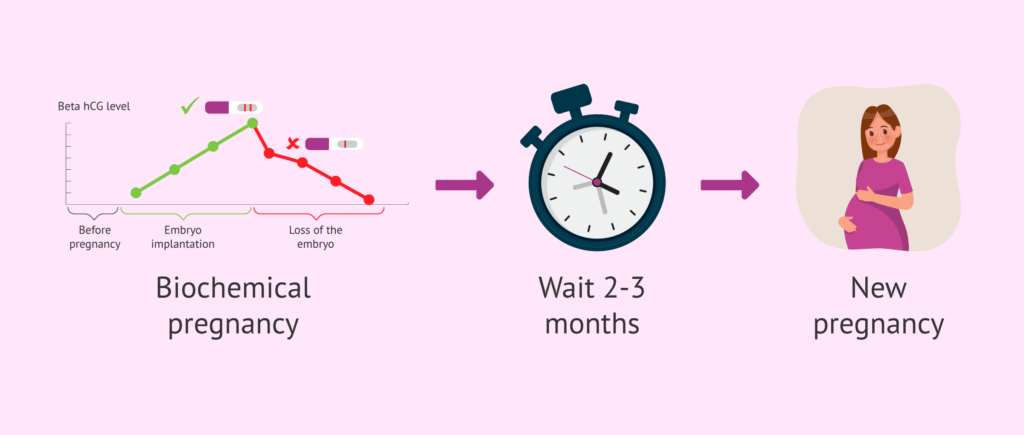
A Biochemical Pregnancy is a loss of pregnancy that takes place before the fifth week. The positive testing result on a pregnancy test and after a few weeks getting a negative test may later indicate the signal of chemical pregnancy. Some people are still not aware that they had a chemical pregnancy. Most people who experience this may also go on to have healthy pregnancies later.
What is a Biochemical Pregnancy?
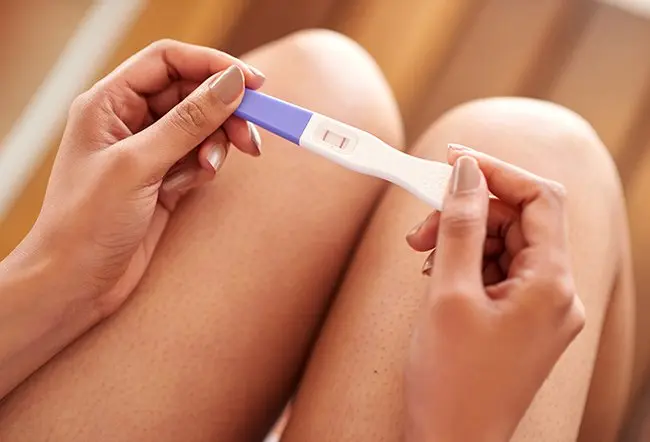
A chemical pregnancy or the Biochemical Pregnancy is a very early miscarriage. It happens within the first five weeks of pregnancy. Before the pregnancy can actually be visible on an ultrasound. An embryo forms and gets implantation in your uterine lining but then it eventually stops developing. Chemical pregnancies occur so early that many of the people don’t even realize that they have suffered miscarriage.
A patient test positive on urine pregnancy test or the blood test for pregnancy i.e. beta HCG and then followed by bleeding or a negative pregnancy test after a few days, before the pregnancy appears on ultrasonography, mostly before the 5th week, it is called Biochemical pregnancy.
The loss of a Biochemical Pregnancy can be painful if you were aware that you were pregnant, particularly if you had been making a lot of effort to conceive. However, having a single chemical pregnancy does not exclude you from carrying a child to term. Many women who have had early miscarriages go on to have healthy pregnancies
Difference Between Biochemical Pregnancy And Clinical Pregnancy:
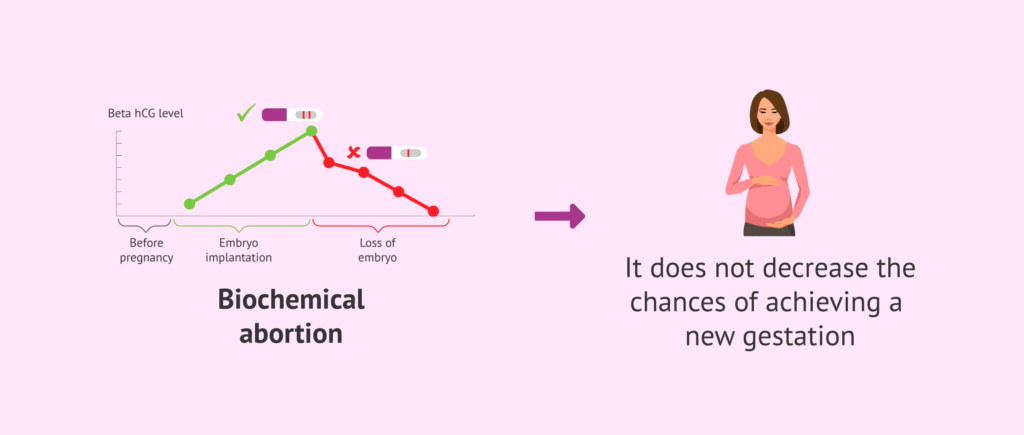
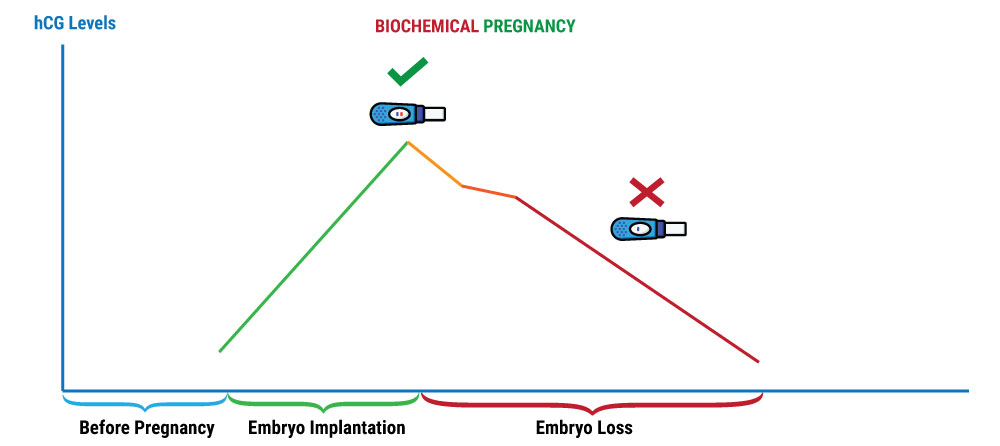
Calling a pregnancy “chemical” can be a little cold. But the name is not about your experience of pregnancy. Rather, the hormones that result in a positive pregnancy test result are what give chemical pregnancies their moniker. The embryo will create human chorionic gonadotrophic (HCG) within the first five weeks. Since it’s too early to detect the embryo on an ultrasound, your HCG hormone levels are the only reliable indicator that you are pregnant at this stage.
However, your HCG levels begin to go down once the embryo stops growing.
Your HCG levels gradually increase during a clinical pregnancy. When your doctor confirms a pregnancy using chemical evidence which is through a positive blood or urine test or by seeing signs of the fetus on an ultrasound, they refer to it as a clinical pregnancy.
Biochemical Pregnancy Is A Real Pregnancy?
A Biochemical Pregnancy ends early because an embryo stops growing. It is not the same as a clinical pregnancy, where an embryo is visible. However, this does not negate the validity of a chemical pregnancy. Sometimes the event feels more real when you find out you’re pregnant. On an ultrasound screen, however, it can occasionally be seen as a heartbeat. Every experience has value.
How Common Are Biochemical Pregnancy?
They are very common. Almost about 25% of all pregnancies end in the first 20 weeks. And about 80% of those miscarriages happen at the early stages of pregnancy. It can be hard to know just how common chemical pregnancies are. Many people likely miscarry early without ever receiving a diagnosis or knowing they were actually pregnant. Biochemical Pregnancy occurs in approximately 8-33% of all pregnancies and in 18-22% of IVF pregnancies.
Is Biochemical Pregnancy Counted As Miscarriage?
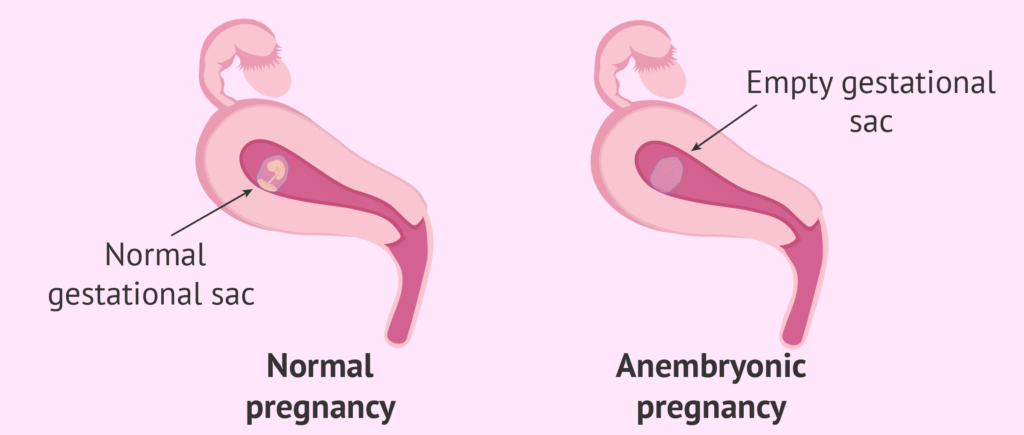
No, it is not counted as a miscarriage rather it is not a real or actual pregnancy indeed. Miscarriage is considered only when there is loss of pregnancy after appearance of gestational sac or baby in the uterus on Ultrasound.
How Is A Chemical Pregnancy Diagnosed?
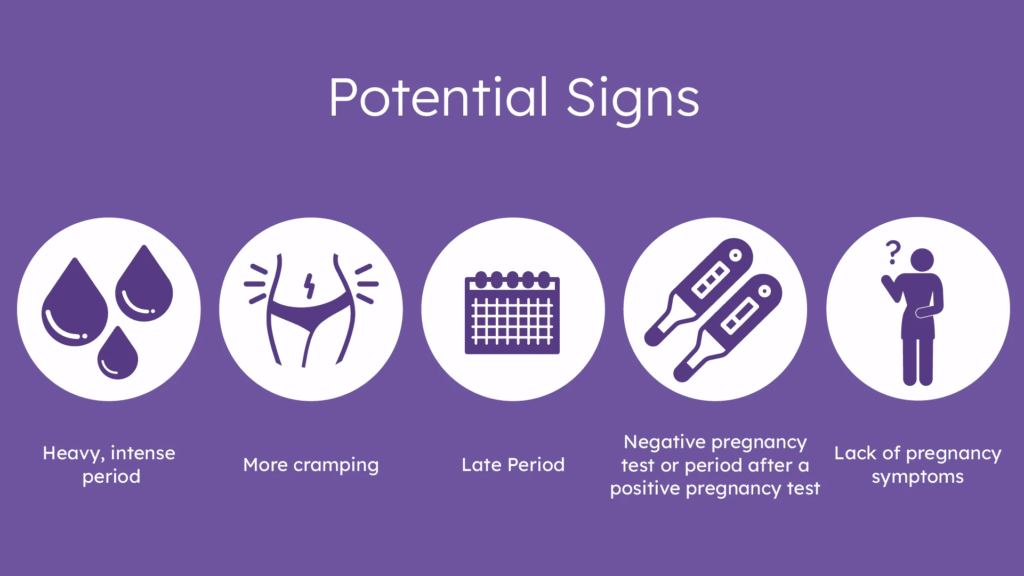
Your healthcare provider will check your medical history to see when you had your last period.
Then, they may perform the following for the diagnosis of Biochemical Pregnancy:
- A pregnancy test: A pregnancy blood test may show you are not pregnant.
- Blood tests to measure HCG: Your doctor may order another blood test to check your HCG levels. The level can tell them if there is a chance that you are pregnant. A second HCG test can show if HCG levels are increasing or decreasing. With a chemical pregnancy, HCG levels will be much lower on the second blood test.
- Ultrasound: An ultrasound will show that there’s no fetus developing causing Biochemical Pregnancy.
What Causes A Chemical Pregnancy?
A Biochemical Pregnancy occurs during the first week after implantation and is a miscarriage. Implantation is a process by which the fertilized egg develops into an embryo and gets in your uterine wall. This causes your body to produce the hormone named as HCG. It actually promotes the growth of the embryo. Additionally, the pregnancy tests measure the level of this hormone to determine whether you are pregnant or not.
However, the embryo eventually stops growing, usually in a matter of days. However, because HCG is present in your blood, a positive pregnancy test result may result. HCG levels may take a few days or weeks to return to normal.
The precise reason why an embryo stops developing during a Biochemical Pregnancy is unknown. An embryo may not always implant, or take hold, in the uterine lining in the manner required for growth. But a pregnancy test will be negative once your HCG levels fall below a certain threshold.
What Are The Chances Of A Normal Pregnancy In The Next Attempt?
Chances of having a successful pregnancy after a biochemical pregnancy are good. It has no negative impact on the future pregnancies.
Conclusion:
Biochemical Pregnancy cannot be avoided, nor can they be treated after they have already occurred. Whatever emotions you may have, they are legitimate. However, remember that chemical pregnancies are frequently followed by successful pregnancies. No matter how you feel about losing your pregnancy, give yourself enough time to think things through or make plans for what to do next. If you need assistance coping with your loss or disappointment, go to a counsellor. As you determine your next course of action, discuss any fertility concerns you may have with your healthcare professional. Additionally, get in touch with the experts at the Bansal IVF in Sonipat. Call now to get the best-in-class care and advice. Hurry up!!!