If you are planning your fertility journey, then understanding the term ovarian reserve is a critical first step. It helps in determining the right path forward for the further procedure. Also, this testing is helpful for the fertility specialists to know and evaluate how many eggs you have left with. Also, in turn they develop a personalized treatment plan that is tailored to your family-building goals. The specialists from Bansal IVF, top IVF centre in Sonipat explains the significance of ovarian reserve testing and how it plays a key role in assessing fertility.
In this blog, let’s understand the key elements that are mentioned below in detail.
What Is an Ovarian Reserve?
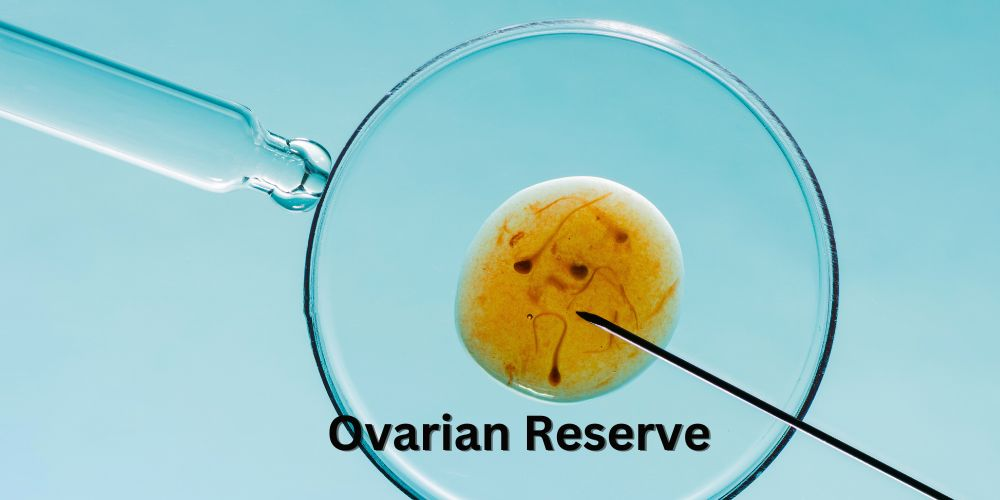
Ovarian Reserve is the quantity of eggs that are left in the ovaries of the individuals. This basically focuses on the number of eggs that are still available irrespective of the egg quality. Also, it is related to reproductive age and cannot be determined by a particular test. It can naturally decline with aging until the time of menopause, which usually occurs at an average age of 51 years. Testing for ovarian reserve is providing all the relevant information about this quantity and helps in the planning of reproductive treatments.
Since the start of life, all females are born with a fixed number of eggs in their body, approximately 1-2 million. At the time of puberty, that is when periods start, only 3-4 lakh eggs remain. After that every month, a group of eggs is selected, out of which one egg matures, ovulates and gives you 1 chance of conceiving. But in this process approximately 1000 eggs die every month.
So, with increasing age, the number of eggs in your body keeps on decreasing. That number of eggs that are still remaining in your body at a particular point determines what is your Ovarian Reserve.
What Is The Importance Of Ovarian Reserve?
Every month, a group of eggs which is called a cohort is released from the ovaries of a female. Of this group, there is typically only one egg which gets under ovulation, while the rest of the eggs naturally die off. Over time, this monthly cycle can reduce the total number of eggs which are remaining that directly impacts fertility.
Basically, understanding how many eggs are still available can actually help you and your doctor to make informed decisions about your treatment options for the Ovarian reserve.
How Does Poor Ovarian Reserve Can Effect Fertility?

The number and quality of eggs reduce with the decreasing ovarian reserve. The chances of chromosomally abnormalities i.e. unhealthy eggs and embryos also increase. This decreases the overall chances of pregnancy and also increases the risk of miscarriages.
Hence, the poor ovarian reserve can have a detrimental effect on fertility and thus, these patients can attain menopause earlier as well.
What Are The Tests To Determine Your Ovarian Reserve?
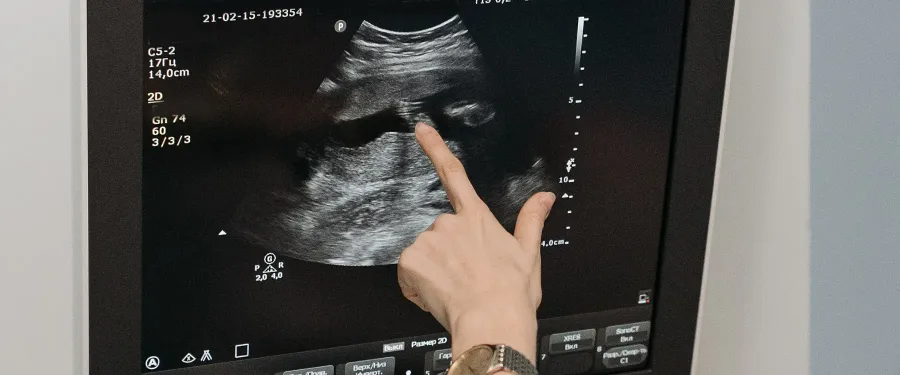
There are majorly 2 methods to determine your ovarian reserve. First is undertaking the Transvaginal Ultrasound/ TVS done at the second day of your menses. By this the doctor can make a check of the number of small follicles that are also called as antral follicles in both your ovaries. It is called AFC (ANTRAL FOLLICLE COUNT).
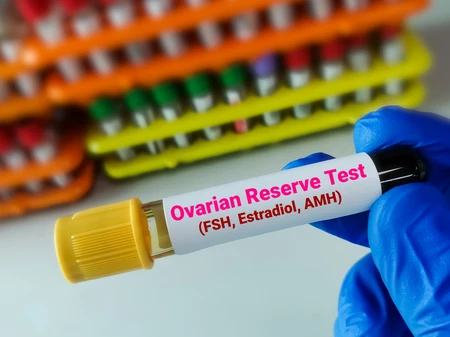
The second method is to take a blood test of AMH that stands for ANTI MULLERIAN HORMONE. Both of these tests in combination can give the idea about your Ovarian reserve.
What Factors Can Influence Ovarian Reserve?

AGE is the most important influencing factor of the Ovarian Reserve. As it starts to decline after the age of 30 years and this decrease is very rapid after the age of 35. This decrease is irreversible as well.
It also depends on person to person and GENETICS of the individual. The Indian population in general has a poorer ovarian reserve as compared to others. It also decreases rapidly when you take multiple TREATMENT FOR INFERTILITY especially medicines for ovulation induction. Certain medical conditions like endometriosis, cancer, chemotherapy, radiotherapy also lead to fall in Ovarian Reserve.
What Are The Treatment Options For Ovarian Reserve?

If your Ovarian Reserve is really too low, you should plan pregnancy as soon as possible. You should also opt for advanced fertility treatment options like IUI and IVF earlier for enjoying parenthood. To maximise your chances of conceiving, these advanced treatments are really helpful.
If you are planning to delay pregnancy, then you can opt for freezing your eggs or the embryos at an IVF clinic at a younger age also. There are some medicines which the doctor can give you that can help in improving your egg quality but they are not very helpful. In other extreme cases, you may also opt for IVF using donor eggs, if your egg count is very low or all other treatments have failed.
Conclusion:
Ovarian Reserve testing is a crucial part of fertility care that is providing valuable insights. It also helps in guiding your treatment in the best possible way. At Bansal IVF, we’re here to help you navigate every phase of your journey with personalized care and expertise.
So, are you looking for IVF, IUI or other fertility treatments, then understanding your ovarian reserve will give you all the knowledge that you need to make informed decisions about your next steps. The team of specialists will be with you every step of the way, offering best support, years of expertise and a clear picture for achieving your family-building dreams. So, hurry up and connect with the best today.